Extravirgin Olive Oil
Auto-generated content. This description was generated automatically and is pending editorial review. Inaccuracies are possible. Found a mistake? Contact us.
What it is
Extra virgin olive oil is the highest grade of olive oil, made from the fruit of the olive tree. It is produced by crushing olives and extracting the oil using mechanical or physical means, without the use of heat or chemicals. This process preserves its natural flavor, aroma, and nutrients.
Why it's used
Manufacturers use extra virgin olive oil for its rich flavor and desirable mouthfeel. It is often used in salad dressings, marinades, and as a finishing oil for dishes. It can also be used in cooking, though its delicate flavor may be diminished by high heat.
Health notes
Extra virgin olive oil is generally recognized as safe (GRAS) by the FDA. It is a source of monounsaturated fatty acids and antioxidants, which have been linked to potential heart health benefits in observational studies and peer-reviewed reviews. International bodies like EFSA have evaluated olive oil and its components. While generally considered healthy, its high calorie content means moderation is advised.
Allergen info
Not a major allergen.
Products containing Extravirgin Olive Oil
Compare products →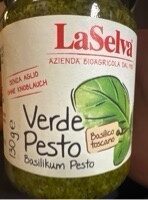 LASELVA
Verde Basil Pesto
371kcal
2.9Protein
40Fat
5.7Carbs
LASELVA
Verde Basil Pesto
371kcal
2.9Protein
40Fat
5.7Carbs
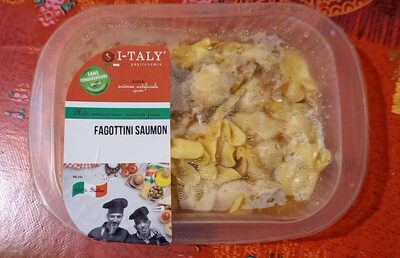 MI GARBA
Salmon-Filled Pasta
High in sodium — 24% DV per serving
High in saturated fat — 40% DV per serving
High in cholesterol — 24% DV per serving
197kcal
6Protein
11.3Fat
17.3Carbs
German Roasted Nuts, Inc.
Black Spaghetti ""Alla Marinara"" Capers & Paprika
High in sodium — 46% DV per serving
359kcal
13.2Protein
1.2Fat
71.8Carbs
Wildbird Records
Ritrovo Selections, White Beans With Truffle
186kcal
9Protein
7Fat
23Carbs
MI GARBA
Salmon-Filled Pasta
High in sodium — 24% DV per serving
High in saturated fat — 40% DV per serving
High in cholesterol — 24% DV per serving
197kcal
6Protein
11.3Fat
17.3Carbs
German Roasted Nuts, Inc.
Black Spaghetti ""Alla Marinara"" Capers & Paprika
High in sodium — 46% DV per serving
359kcal
13.2Protein
1.2Fat
71.8Carbs
Wildbird Records
Ritrovo Selections, White Beans With Truffle
186kcal
9Protein
7Fat
23Carbs
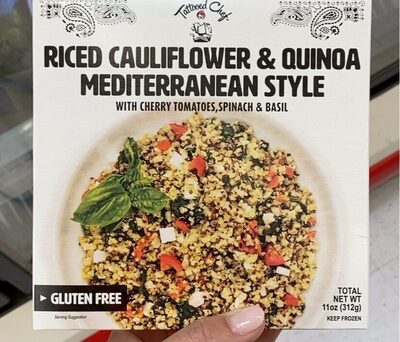 Authentic Joy
Riced Cauliflower & Quinoa Mediterranean Style With Cherry Tomatoes, Spinach & Basil, Riced Cauliflower & Quinoa Mediterranean Style
126kcal
4.2Protein
6.3Fat
11.6Carbs
Authentic Joy
Riced Cauliflower & Quinoa Mediterranean Style With Cherry Tomatoes, Spinach & Basil, Riced Cauliflower & Quinoa Mediterranean Style
126kcal
4.2Protein
6.3Fat
11.6Carbs
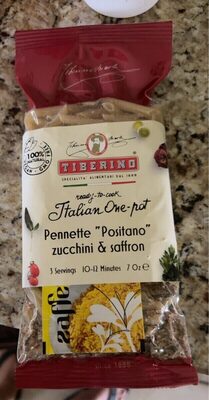 German Roasted Nuts, Inc.
Italian One-Pot Pennette "Positano" Zucchini & Saffron
371kcal
13.0Protein
1.4Fat
74.7Carbs
Tomato Bliss LLC
Roasted Heirloom Tomato Soup, Roasted Heirloom Tomato
42kcal
0.8Protein
2.5Fat
4.7Carbs
Wakefern Food Corporation
Garlic & Herb Breadsticks, Garlic & Herb
400kcal
13.3Protein
6.7Fat
73.3Carbs
German Roasted Nuts, Inc.
Italian One-Pot Pennette "Positano" Zucchini & Saffron
371kcal
13.0Protein
1.4Fat
74.7Carbs
Tomato Bliss LLC
Roasted Heirloom Tomato Soup, Roasted Heirloom Tomato
42kcal
0.8Protein
2.5Fat
4.7Carbs
Wakefern Food Corporation
Garlic & Herb Breadsticks, Garlic & Herb
400kcal
13.3Protein
6.7Fat
73.3Carbs