Ferrous Gluconate To Stabilize Color
What is Ferrous Gluconate To Stabilize Color?
Ferrous gluconate is a salt of gluconic acid, a substance naturally found in fruits and honey. It is produced commercially by reacting gluconic acid with iron salts. It appears as a white to yellowish-white powder or granules.
Is Ferrous Gluconate To Stabilize Color gluten-free?
It does not contain gluten.
Is Ferrous Gluconate To Stabilize Color a major allergen?
Ferrous gluconate is not derived from any of the nine FDA major allergens.
What is Ferrous Gluconate To Stabilize Color used for?
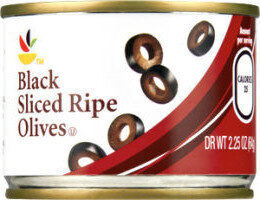
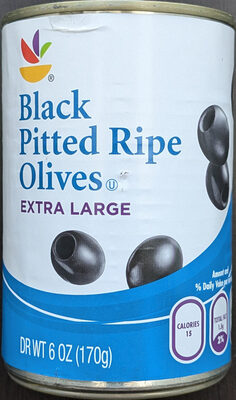
Manufacturers use ferrous gluconate to stabilize and maintain the color of foods, particularly in canned or jarred vegetables like olives, pickles, and peppers.
Is Ferrous Gluconate To Stabilize Color safe?
Ferrous gluconate is Generally Recognized As Safe (GRAS) by the FDA for use as a food additive.
Why it's used
Manufacturers use ferrous gluconate to stabilize and maintain the color of foods, particularly in canned or jarred vegetables like olives, pickles, and peppers. It helps prevent discoloration that can occur during processing and storage. It is often found in preserved fruits and vegetables.
Health notes
Ferrous gluconate is Generally Recognized As Safe (GRAS) by the FDA for use as a food additive. It is a source of iron, an essential nutrient. The Joint FAO/WHO Expert Committee on Food Additives (JECFA) has evaluated ferrous gluconate and established an acceptable daily intake. Evidence does not suggest adverse health effects at typical intake levels.
Allergen info
Ferrous gluconate is not derived from any of the nine FDA major allergens. It does not contain gluten.
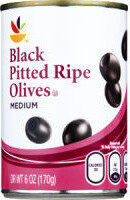
Foods that contain Ferrous Gluconate To Stabilize Color
Compare products →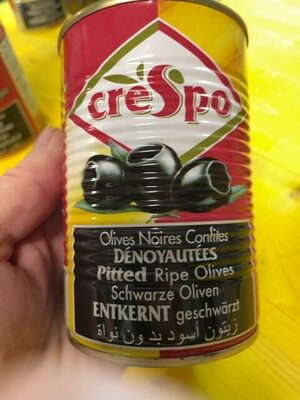

Learn more
Auto-generated content. This description was generated automatically and is pending editorial review. Inaccuracies are possible. Found a mistake? Contact us.