Flaxmilk
What is Flaxmilk?
Flaxmilk is a dairy-free milk alternative made from flaxseeds. The seeds are typically soaked, blended with water, and then strained to create a milky liquid. It has a mild, slightly nutty flavor and a thin consistency.
Is Flaxmilk vegan?
Flaxmilk is not animal-derived. Products that contain it can still include other animal-derived ingredients, so check the full ingredient list.
Is Flaxmilk gluten-free?
It is also gluten-free.
Is Flaxmilk a major allergen?
Flaxmilk is not derived from any of the 9 FDA major allergens.
What is Flaxmilk used for?
Flaxmilk is used as a dairy milk substitute in beverages, cereals, and baked goods.
Is Flaxmilk safe?
Flaxmilk is generally recognized as safe (GRAS) by the FDA when used as a food ingredient.
Why it's used
Flaxmilk is used as a dairy milk substitute in beverages, cereals, and baked goods. It can also be used in smoothies, coffee, and as a base for sauces and dressings. Manufacturers may add it for its nutritional profile and to provide a plant-based option.
Health notes
Flaxmilk is generally recognized as safe (GRAS) by the FDA when used as a food ingredient. It is a source of omega-3 fatty acids, fiber, and some vitamins and minerals. The Joint FAO/WHO Expert Committee on Food Additives (JECFA) has evaluated flaxseed and its derivatives. Evidence does not suggest adverse health effects from typical consumption of flaxmilk.
Allergen info
Flaxmilk is not derived from any of the 9 FDA major allergens. It is also gluten-free.
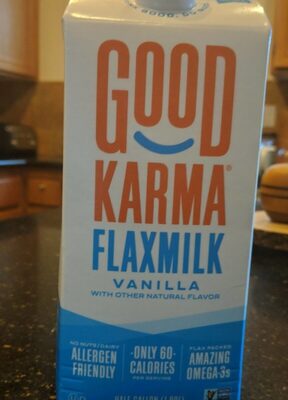
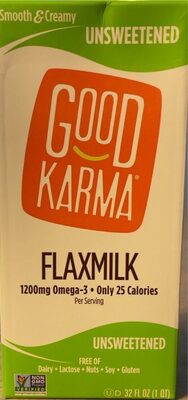
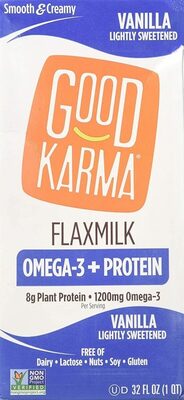
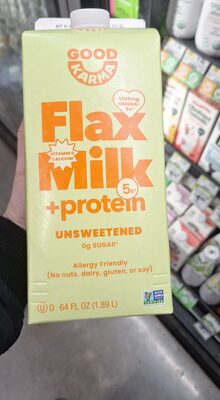
Foods that contain Flaxmilk
Compare products →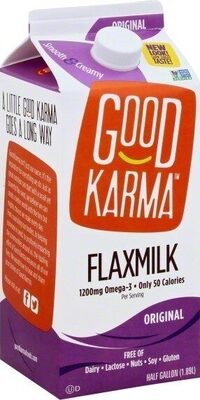

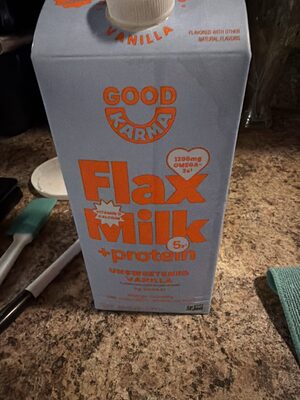
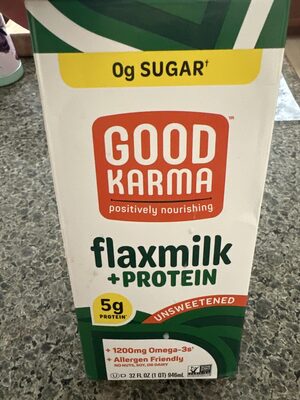
Auto-generated content. This description was generated automatically and is pending editorial review. Inaccuracies are possible. Found a mistake? Contact us.