Flours
What is Flours?
Flours are fine powders made by grinding dried grains, legumes, nuts, or other starchy plant materials. They are a fundamental ingredient in many food products worldwide.
Is Flours vegan?
Flours is not animal-derived. Products that contain it can still include other animal-derived ingredients, so check the full ingredient list.
Is Flours a major allergen?
Many common flours are derived from major allergens.
What is Flours used for?
Flours provide structure, texture, and binding properties to baked goods like bread, cakes, and cookies.
Is Flours safe?
Flours are generally recognized as food ingredients and are not regulated as food additives by the FDA.
Why it's used
Flours provide structure, texture, and binding properties to baked goods like bread, cakes, and cookies. They are also used as thickeners in sauces, gravies, and soups.
Health notes
Flours are generally recognized as food ingredients and are not regulated as food additives by the FDA. Whole grain flours contribute dietary fiber and various nutrients to the diet. Some flours, such as wheat flour, contain gluten, which can cause adverse reactions in individuals with celiac disease or gluten sensitivity. JECFA and EFSA evaluate specific food ingredients, but flours as a general category are considered staple foods.
Allergen info
Many common flours are derived from major allergens. For example, wheat flour is a major allergen (wheat), and some flours are made from tree nuts (e.g., almond flour) or soy (soy flour), which are also major allergens.
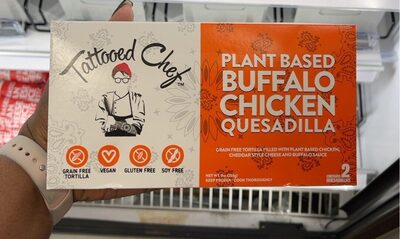
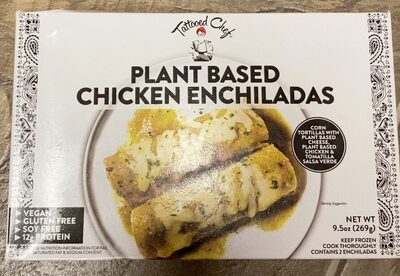
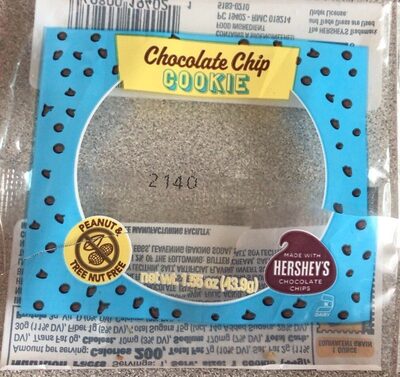
Foods that contain Flours
Compare products →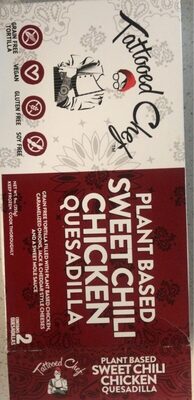
Learn more
Auto-generated content. This description was generated automatically and is pending editorial review. Inaccuracies are possible. Found a mistake? Contact us.