Folic Acid Graham Flour
What is Folic Acid Graham Flour?
Folic acid is a synthetic form of the B vitamin folate. It is often added to foods to increase their nutritional value. Folic acid is manufactured chemically.
Is Folic Acid Graham Flour vegan?
Folic Acid Graham Flour is not animal-derived. Products that contain it can still include other animal-derived ingredients, so check the full ingredient list.
Is Folic Acid Graham Flour gluten-free?
It does not contain gluten.
Is Folic Acid Graham Flour a major allergen?
Folic acid is not derived from any of the 9 FDA major allergens.
What is Folic Acid Graham Flour used for?
Folic acid is added to foods as a nutrient to help prevent certain birth defects.
Is Folic Acid Graham Flour safe?
The U.S. Food and Drug Administration (FDA) considers folic acid a safe and essential nutrient.
Why it's used
Folic acid is added to foods as a nutrient to help prevent certain birth defects. It is commonly found in enriched grain products like bread, pasta, and cereals, as well as some baked goods.
Health notes
The U.S. Food and Drug Administration (FDA) considers folic acid a safe and essential nutrient. It is widely used in food fortification programs. Regulatory bodies like the Joint FAO/WHO Expert Committee on Food Additives (JECFA) and the European Food Safety Authority (EFSA) have evaluated folic acid. While generally recognized as safe and beneficial for preventing neural tube defects, very high intakes of folic acid from supplements have raised some questions, though these are not typically seen from fortified foods alone.
Allergen info
Folic acid is not derived from any of the 9 FDA major allergens. It does not contain gluten.
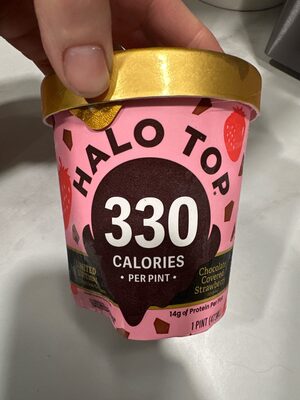
Foods that contain Folic Acid Graham Flour
Compare products →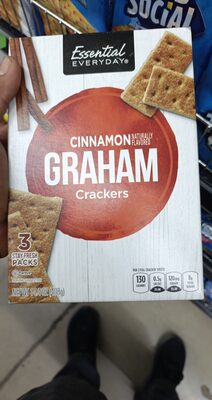
Learn more
Auto-generated content. This description was generated automatically and is pending editorial review. Inaccuracies are possible. Found a mistake? Contact us.