Folic Acid Vegetable Shortening
Auto-generated content. This description was generated automatically and is pending editorial review. Inaccuracies are possible. Found a mistake? Contact us.
What it is
Folic acid is a synthetic form of the B vitamin folate, which is naturally found in foods like leafy green vegetables and legumes. It is produced industrially through chemical synthesis. Folic acid is added to foods to increase their folate content.
Why it's used
Folic acid is added to foods as a nutrient supplement, primarily to help prevent neural tube defects in developing fetuses. It is commonly found in fortified grain products such as bread, pasta, and cereals, as well as some other processed foods.
Health notes
In the US, folic acid is permitted for use as a nutrient supplement in certain foods. The FDA has approved its use in fortified foods. Folate plays a crucial role in cell division and DNA synthesis. Adequate folate intake before and during early pregnancy is vital for preventing serious birth defects of the brain and spine. JECFA and EFSA have evaluated folic acid and established acceptable daily intakes. While generally recognized as safe when consumed at typical dietary levels, very high intakes of folic acid from supplements have raised some questions, though evidence is mixed and not conclusive.
Allergen info
Folic acid is not derived from any of the 9 FDA major allergens. It does not contain gluten.
Products containing Folic Acid Vegetable Shortening
Compare products →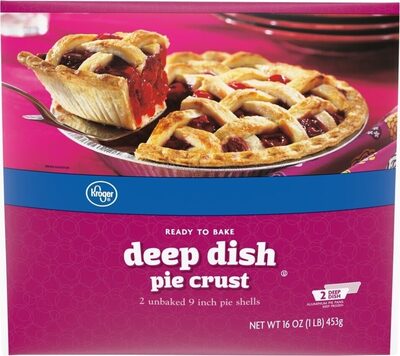 The Kroger Co.
Deep Dish Pie Crust, Deep Dish
High in saturated fat — 20% DV per serving
700kcal
5Protein
45Fat
75Carbs
BJ's Wholesale Club / Corporate Brands
Italian Cookies, Italian
High in saturated fat — 35% DV per serving
500kcal
5Protein
32.5Fat
47.5Carbs
Mr. Beverages Old Time Cocktail Mixes
Cherry Pie, Cherry
High in saturated fat — 30% DV per serving
248kcal
2.4Protein
13.6Fat
—Carbs
Jerry's Enterprises Inc.
Buttercream Single White Cake, Buttercream
High in sodium — 23% DV per serving
High in saturated fat — 55% DV per serving
424kcal
2.5Protein
21.2Fat
74.6Carbs
The Kroger Co.
Deep Dish Pie Crust, Deep Dish
High in saturated fat — 20% DV per serving
700kcal
5Protein
45Fat
75Carbs
BJ's Wholesale Club / Corporate Brands
Italian Cookies, Italian
High in saturated fat — 35% DV per serving
500kcal
5Protein
32.5Fat
47.5Carbs
Mr. Beverages Old Time Cocktail Mixes
Cherry Pie, Cherry
High in saturated fat — 30% DV per serving
248kcal
2.4Protein
13.6Fat
—Carbs
Jerry's Enterprises Inc.
Buttercream Single White Cake, Buttercream
High in sodium — 23% DV per serving
High in saturated fat — 55% DV per serving
424kcal
2.5Protein
21.2Fat
74.6Carbs
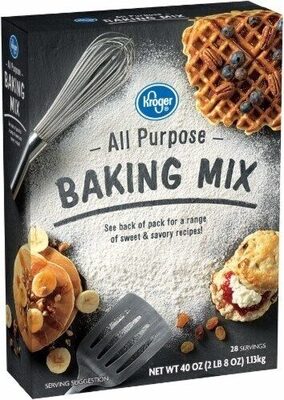 The Kroger Co.
All Purpose Baking Mix, All Purpose
400kcal
7.5Protein
11.2Fat
65Carbs
The Kroger Co.
All Purpose Baking Mix, All Purpose
400kcal
7.5Protein
11.2Fat
65Carbs