Fondant
What is Fondant?
Fondant is a type of icing or candy that is often used to decorate cakes and pastries. It is typically made by cooking sugar and water to a specific temperature, then cooling and kneading it until it becomes a smooth, pliable paste.
Is Fondant a major allergen?
Fondant itself is not considered a major allergen.
What is Fondant used for?
Manufacturers use fondant to create a smooth, decorative covering for cakes, cupcakes, and other confections.
Is Fondant safe?
Fondant's main component is sugar, which is generally recognized as safe (GRAS) by the FDA.
Why it's used
Manufacturers use fondant to create a smooth, decorative covering for cakes, cupcakes, and other confections. It can also be used for sculpting edible decorations or as a sweet filling in candies and chocolates. Its primary function is to provide sweetness and an attractive, often shiny, finish.
Health notes
Fondant's main component is sugar, which is generally recognized as safe (GRAS) by the FDA. The 2025-2030 Dietary Guidelines for Americans recommend no amount of added sugars. High intake of added sugars, including those found in fondant, is associated with various health concerns. JECFA and EFSA have evaluated sugars extensively, but fondant itself is not typically assessed as a distinct food additive.
Allergen info
Fondant itself is not considered a major allergen. However, some formulations may contain ingredients derived from major allergens like milk, soy, or tree nuts for flavor or texture, so checking specific product labels is important.
Foods that contain Fondant
Compare products →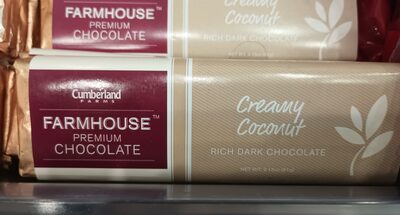
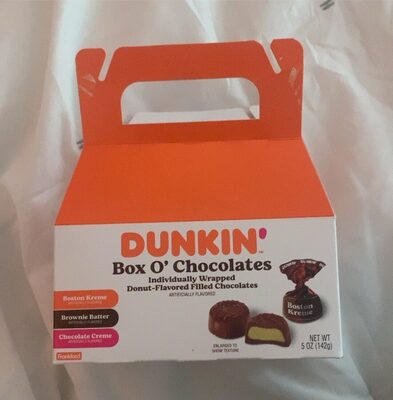


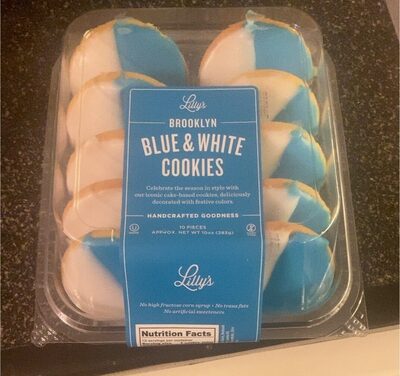
Learn more
Auto-generated content. This description was generated automatically and is pending editorial review. Inaccuracies are possible. Found a mistake? Contact us.