Food Acids
What is Food Acids?
Food acids are organic compounds that occur naturally in fruits and vegetables. They are often produced industrially through fermentation or chemical synthesis for use in food. Common examples include citric acid, malic acid, and lactic acid.
Is Food Acids a major allergen?
Most common food acids are not derived from major allergens.
What is Food Acids used for?
Food acids are primarily used to enhance or impart tartness and flavor in foods and beverages.
Is Food Acids safe?
In the US, many food acids are Generally Recognized As Safe (GRAS) by the FDA.
Why it's used
Food acids are primarily used to enhance or impart tartness and flavor in foods and beverages. They also act as preservatives by lowering pH, which inhibits microbial growth. You'll find them in candies, soft drinks, jams, jellies, and dairy products.
Health notes
In the US, many food acids are Generally Recognized As Safe (GRAS) by the FDA. They are essential in the body for metabolic processes. International bodies like JECFA have evaluated many food acids and established acceptable daily intake levels. At typical consumption levels, they are considered safe. Some research has explored their role in gut health, but more studies are needed.
Allergen info
Most common food acids are not derived from major allergens. However, some may be produced using fermentation processes that involve allergens, or derived from allergenic sources like corn or wheat. Always check product labels for specific allergen information.
Foods that contain Food Acids
Compare products →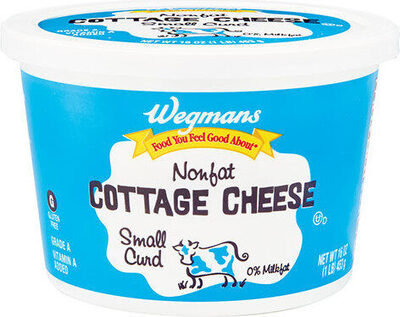
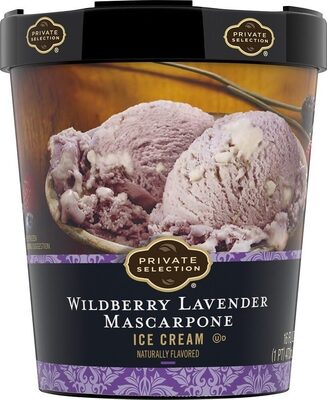
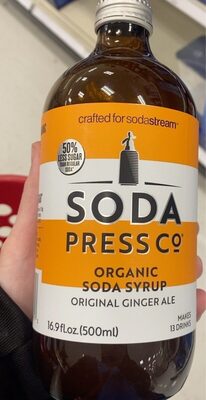
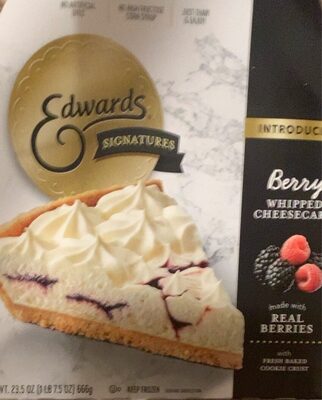
Auto-generated content. This description was generated automatically and is pending editorial review. Inaccuracies are possible. Found a mistake? Contact us.