Food Starches Modified
Auto-generated content. This description was generated automatically and is pending editorial review. Inaccuracies are possible. Found a mistake? Contact us.
What it is
Food starches modified are starches that have been altered physically or chemically to improve their performance in food products. They are typically derived from corn, tapioca, potatoes, or wheat. Modifications can make them more stable under heat, acid, or shear, and can change their texture and thickening properties.
Why it's used
Manufacturers use modified starches to thicken, stabilize, and improve the texture of foods. They prevent ingredients from separating and can create a smoother mouthfeel. You can find them in sauces, gravies, baked goods, dairy products, and processed meats.
Health notes
Modified food starches are generally recognized as safe (GRAS) by the FDA. They are a source of carbohydrates and are digested like regular starches. International bodies like JECFA and EFSA have evaluated modified starches, and they are permitted for use in many countries. There are no widespread health concerns associated with their consumption at typical dietary levels.
Allergen info
Modified starches are not considered major allergens. However, if derived from wheat, they may contain gluten, which is an allergen for some individuals. Consumers with wheat allergies or celiac disease should check product labels.
Products containing Food Starches Modified
Compare products →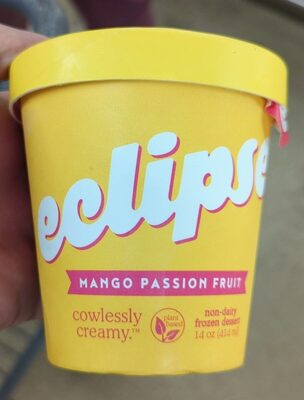 Eclipse Foods Co
Mango Passion Fruit
High in added sugars — 32% DV per serving
210kcal
2.5Protein
12.6Fat
21.0Carbs
Eclipse Foods Co
Cookies N' Cream Non-Dairy Frozen Dessert, Cookies N' Cream
High in added sugars — 46% DV per serving
286kcal
2.7Protein
16.1Fat
31.2Carbs
Eclipse Foods Co
Mango Passion Fruit
High in added sugars — 32% DV per serving
210kcal
2.5Protein
12.6Fat
21.0Carbs
Eclipse Foods Co
Cookies N' Cream Non-Dairy Frozen Dessert, Cookies N' Cream
High in added sugars — 46% DV per serving
286kcal
2.7Protein
16.1Fat
31.2Carbs
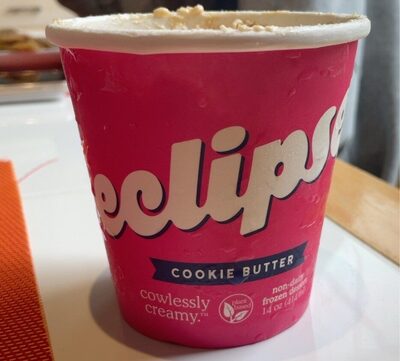 Eclipse Foods Co
Cookie Butter Non-Dairy Frozen Dessert, Cookie Butter
High in added sugars — 46% DV per serving
277kcal
2.7Protein
16.1Fat
31.2Carbs
Eclipse Foods Co
Cookie Butter Non-Dairy Frozen Dessert, Cookie Butter
High in added sugars — 46% DV per serving
277kcal
2.7Protein
16.1Fat
31.2Carbs
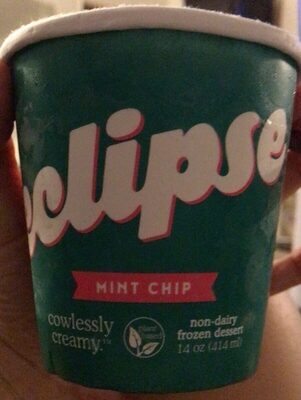 Eclipse Foods Co
Mint Chip Non-Dairy Frozen Dessert, Mint Chip
High in added sugars — 44% DV per serving
266kcal
3.1Protein
17.2Fat
24.2Carbs
Eclipse Foods Co
Dark Side Of The Spoon Chocolate, Peanut Butter Cookie Dough, Fudge Chunks Non-Dairy Frozen Dessert, Dark Side Of The Spoon
High in added sugars — 50% DV per serving
272kcal
4Protein
16Fat
31.2Carbs
Eclipse Foods Co
Mint Chip Non-Dairy Frozen Dessert, Mint Chip
High in added sugars — 44% DV per serving
266kcal
3.1Protein
17.2Fat
24.2Carbs
Eclipse Foods Co
Dark Side Of The Spoon Chocolate, Peanut Butter Cookie Dough, Fudge Chunks Non-Dairy Frozen Dessert, Dark Side Of The Spoon
High in added sugars — 50% DV per serving
272kcal
4Protein
16Fat
31.2Carbs