Fortified With Vitamin A
Auto-generated content. This description was generated automatically and is pending editorial review. Inaccuracies are possible. Found a mistake? Contact us.
What it is
Vitamin A is a fat-soluble vitamin essential for vision, immune function, and cell growth. It can be naturally found in foods like liver, fish oils, and dairy products. In fortified foods, it is typically added as retinyl palmitate or retinyl acetate, which are forms of vitamin A produced synthetically.
Why it's used
Manufacturers add vitamin A to foods to help consumers meet their daily intake needs, as it is an essential nutrient. It is commonly found in products like cereals, milk, margarine, and infant formulas. Fortification helps prevent vitamin A deficiency, which can lead to vision problems and weakened immunity.
Health notes
Vitamin A is recognized as safe and essential by health authorities. The U.S. Food and Drug Administration (FDA) permits its addition to foods as a nutrient supplement. The Joint FAO/WHO Expert Committee on Food Additives (JECFA) and the European Food Safety Authority (EFSA) have evaluated vitamin A and established guidelines for its safe use. While essential, very high doses of vitamin A can be toxic, so intake should remain within recommended levels.
Allergen info
Vitamin A itself is not a major allergen. The forms added to foods are typically synthesized and do not contain allergens. Gluten is not present.
Products containing Fortified With Vitamin A
Compare products →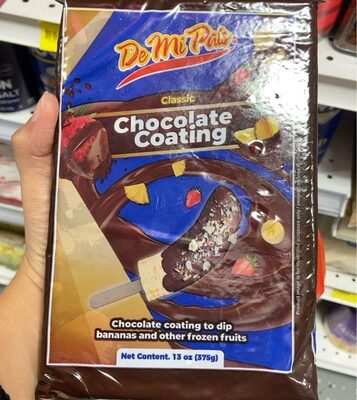 Global Garlic Inc.
Classic Chocolate Coating Chocolate Coating To Dip Bananas And Other Frozen Fruits, Chocolate Coating
High in saturated fat — 40% DV per serving
High in added sugars — 36% DV per serving
600kcal
2.9Protein
42.9Fat
51.4Carbs
Gotera, Inc.
Butter Flavored Cookie, Butter
250kcal
0Protein
12.5Fat
42.5Carbs
Global Garlic Inc.
Classic Chocolate Coating Chocolate Coating To Dip Bananas And Other Frozen Fruits, Chocolate Coating
High in saturated fat — 40% DV per serving
High in added sugars — 36% DV per serving
600kcal
2.9Protein
42.9Fat
51.4Carbs
Gotera, Inc.
Butter Flavored Cookie, Butter
250kcal
0Protein
12.5Fat
42.5Carbs
 Global Garlic Inc.
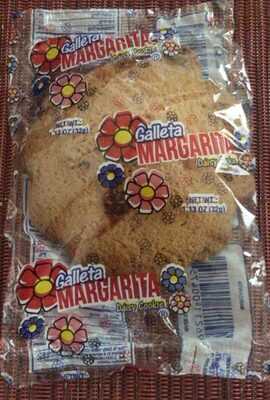
Margarita Daisy Cookie, Margarita
656kcal
3.1Protein
18.8Fat
156Carbs
Global Garlic Inc.
Margarita Daisy Cookie, Margarita
656kcal
3.1Protein
18.8Fat
156Carbs
 Quesos La Ricura
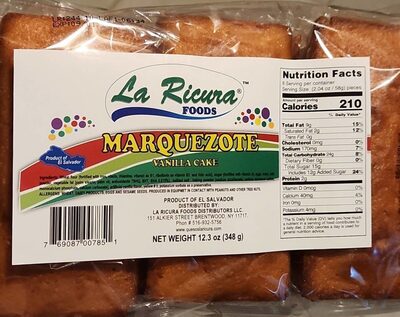
Vanilla Marquezote Cake, Vanilla
High in added sugars — 24% DV per serving
362kcal
3.5Protein
15.5Fat
41.4Carbs
Quesos La Ricura
Vanilla Marquezote Cake, Vanilla
High in added sugars — 24% DV per serving
362kcal
3.5Protein
15.5Fat
41.4Carbs