Fractionated Coconut Oil
What is Fractionated Coconut Oil?
Fractionated coconut oil is a liquid oil made from whole coconut oil. The process removes most of the solid fats (like lauric acid) through a process called fractionation, leaving behind the medium-chain triglycerides (MCTs) like caprylic and capric acid.
Is Fractionated Coconut Oil vegan?
Fractionated Coconut Oil is not animal-derived. Products that contain it can still include other animal-derived ingredients, so check the full ingredient list.
Is Fractionated Coconut Oil a major allergen?
Coconut is not considered one of the major allergens by the FDA.
What is Fractionated Coconut Oil used for?
Manufacturers use it as a stable, liquid oil that doesn't easily go rancid.
Is Fractionated Coconut Oil safe?
Fractionated coconut oil is generally recognized as safe (GRAS) by the FDA for use in food.
Why it's used
Manufacturers use it as a stable, liquid oil that doesn't easily go rancid. It's often found in products where a liquid fat is needed, such as sauces, confections like chocolate and truffles, and baked goods.
Health notes
Fractionated coconut oil is generally recognized as safe (GRAS) by the FDA for use in food. It is primarily composed of medium-chain triglycerides (MCTs), which are metabolized differently than longer-chain fats. Some research suggests MCTs may be absorbed more quickly and used for energy, but more studies are needed to confirm these effects in typical dietary amounts. JECFA has evaluated coconut oil and its components.
Allergen info
Coconut is not considered one of the major allergens by the FDA. It is botanically classified as a drupe, not a tree nut.
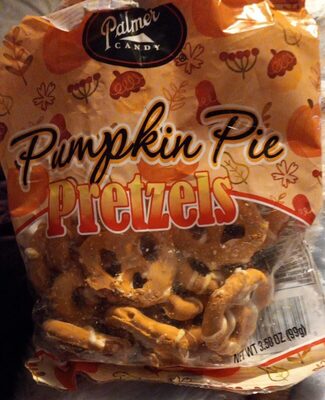
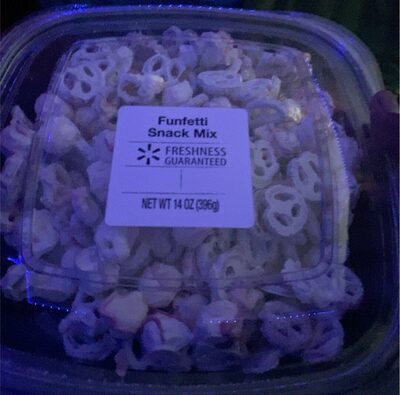
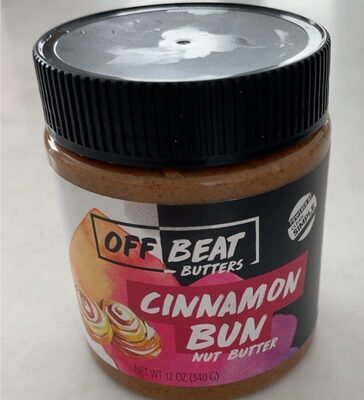
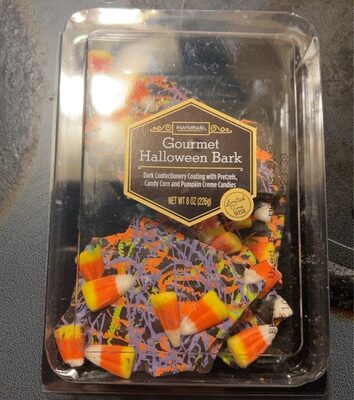
Foods that contain Fractionated Coconut Oil
Compare products →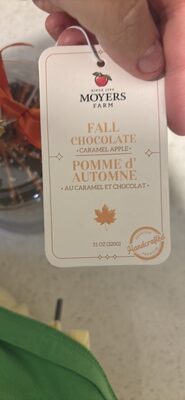
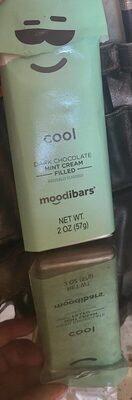
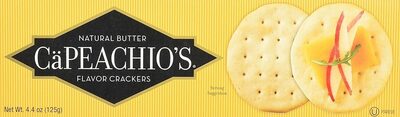
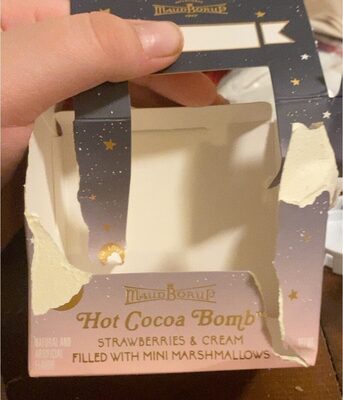

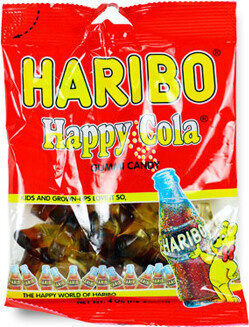



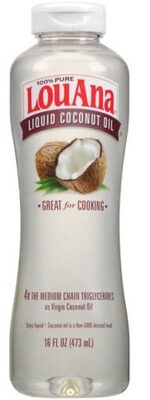 Louana
Liquid Coconut Oil
High in saturated fat — 65% DV per serving
857kcal
0Protein
92.9Fat
0Carbs
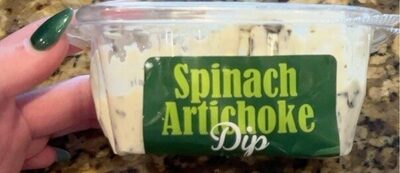
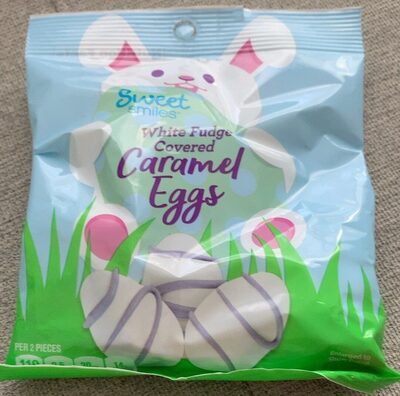

Learn more
Auto-generated content. This description was generated automatically and is pending editorial review. Inaccuracies are possible. Found a mistake? Contact us.