Free Range Non-gmo Eggs
What is Free Range Non-gmo Eggs?
Eggs are laid by female birds, most commonly chickens raised for food. They contain a yolk (fat and vitamins) and a white (protein and water). The terms 'free-range' and 'non-GMO' refer to how the chickens were raised and what they were fed.
Is Free Range Non-gmo Eggs vegan?
No. Free Range Non-gmo Eggs is animal-derived, so it is not vegan.
Is Free Range Non-gmo Eggs gluten-free?
They do not contain gluten.
Is Free Range Non-gmo Eggs a major allergen?
Eggs are one of the 9 major allergens identified by the FDA.
What is Free Range Non-gmo Eggs used for?
Eggs are a versatile ingredient used in baking for binding, leavening, and adding richness.
Is Free Range Non-gmo Eggs safe?
Eggs are a source of protein, vitamins, and minerals.
Why it's used
Eggs are a versatile ingredient used in baking for binding, leavening, and adding richness. They are also a primary component in dishes like omelets, scrambles, and custards, and are often found in pasta, mayonnaise, and baked goods.
Health notes
Eggs are a source of protein, vitamins, and minerals. The U.S. Food and Drug Administration (FDA) considers eggs a common food item. While eggs contain cholesterol, dietary cholesterol has less impact on blood cholesterol levels for most people than previously thought, according to many health organizations. JECFA has evaluated eggs. There are no major health controversies associated with typical egg consumption.
Allergen info
Eggs are one of the 9 major allergens identified by the FDA. They do not contain gluten.
Foods that contain Free Range Non-gmo Eggs
Compare products →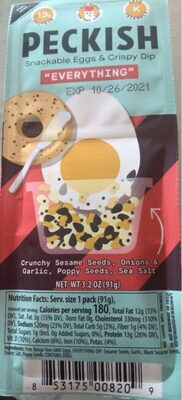
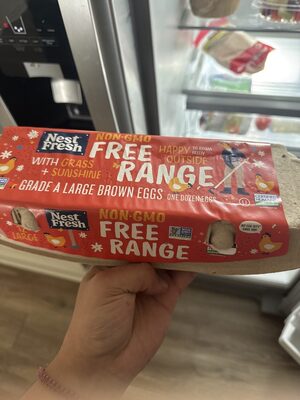
Learn more
Auto-generated content. This description was generated automatically and is pending editorial review. Inaccuracies are possible. Found a mistake? Contact us.