Freeze-dried Blueberries
What is Freeze-dried Blueberries?
Freeze-dried blueberries are whole or chopped blueberries that have had most of their water content removed through a process called freeze-drying. This method involves freezing the fruit and then drying it in a vacuum, which helps preserve the fruit's shape, color, and nutrients.
Is Freeze-dried Blueberries vegan?
Freeze-dried Blueberries is not animal-derived. Products that contain it can still include other animal-derived ingredients, so check the full ingredient list.
Is Freeze-dried Blueberries gluten-free?
Blueberries are not one of the nine major allergens recognized by the FDA and do not contain gluten.
What is Freeze-dried Blueberries used for?
Manufacturers use freeze-dried blueberries to add a concentrated berry flavor and texture to foods without adding moisture.
Is Freeze-dried Blueberries safe?
Blueberries are a source of vitamins, minerals, and antioxidants.
Why it's used
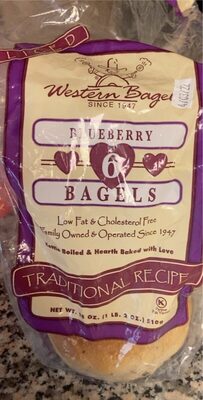
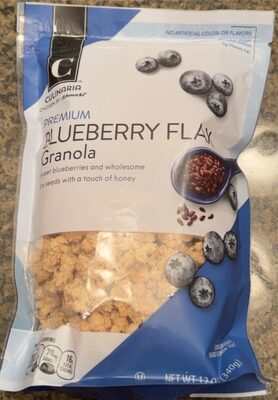
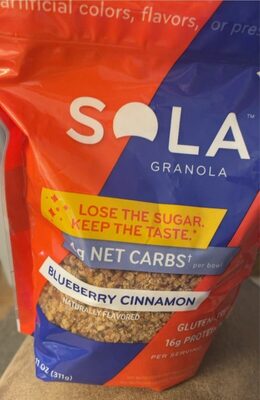
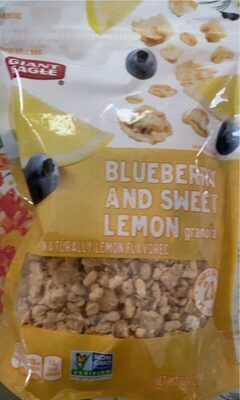
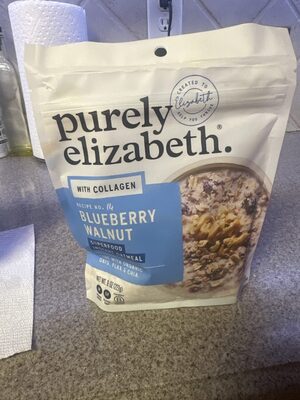
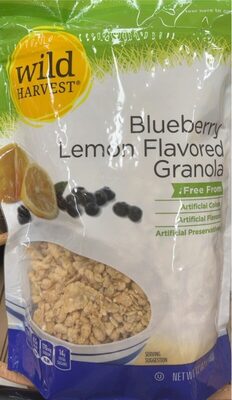
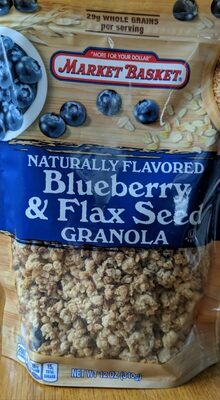
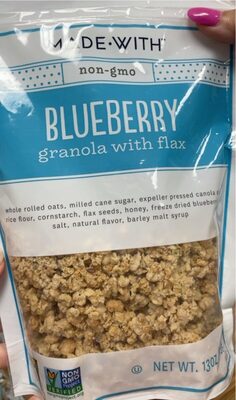
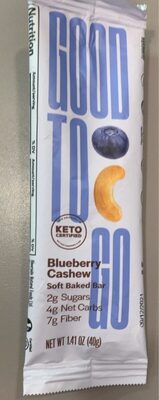
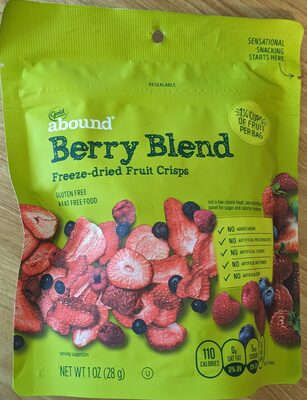
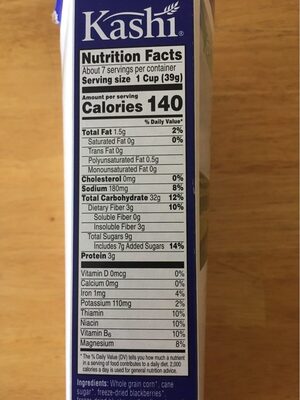
Manufacturers use freeze-dried blueberries to add a concentrated berry flavor and texture to foods without adding moisture. They are commonly found in cereals, granola, baked goods like cookies and muffins, and snack bars.
Health notes
Blueberries are a source of vitamins, minerals, and antioxidants. The FDA considers blueberries to be Generally Recognized As Safe (GRAS). International bodies like EFSA have also evaluated blueberries. While generally considered healthy, specific health claims are not made by regulatory bodies for individual food ingredients.
Allergen info
Blueberries are not one of the nine major allergens recognized by the FDA and do not contain gluten.
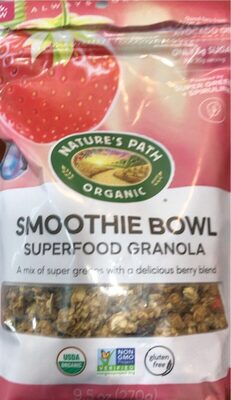
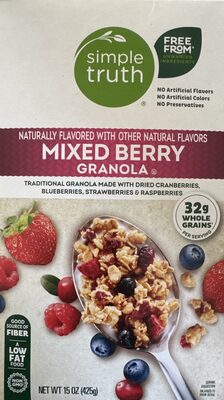
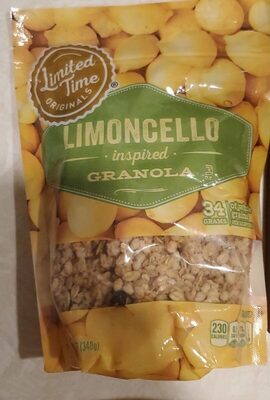
Foods that contain Freeze-dried Blueberries
Compare products →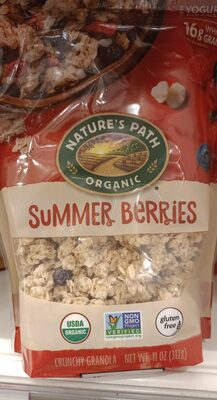
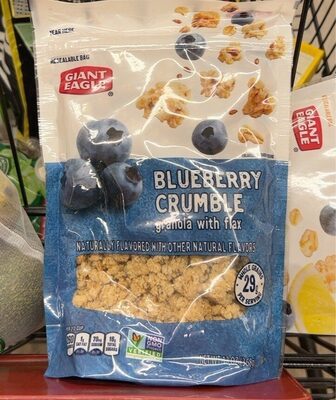
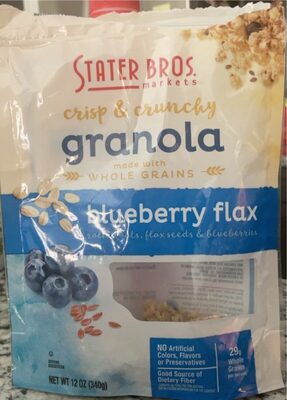
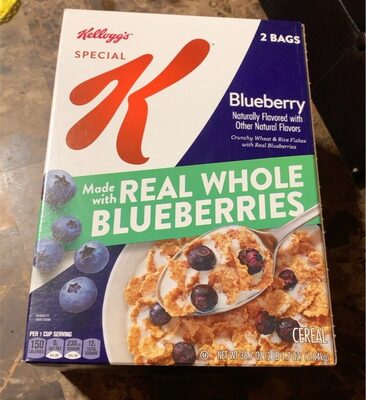
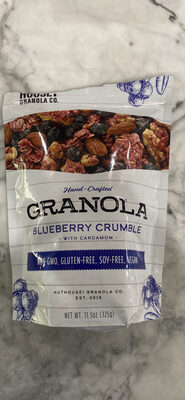

Auto-generated content. This description was generated automatically and is pending editorial review. Inaccuracies are possible. Found a mistake? Contact us.