Gorgonzola
What is Gorgonzola?
Gorgonzola is a type of Italian blue cheese made from unskimmed cow's milk. It is produced in the northern Italian town of Gorgonzola and surrounding areas. The cheese is characterized by its distinctive blue-green veining, which comes from the mold Penicillium glaucum.
Is Gorgonzola vegan?
No. Gorgonzola is animal-derived, so it is not vegan.
Is Gorgonzola gluten-free?
It does not contain gluten.
Is Gorgonzola a major allergen?
Gorgonzola is derived from cow's milk, which is one of the FDA's nine major allergens.
What is Gorgonzola used for?
Gorgonzola is often used as a table cheese, crumbled into salads, or melted into sauces and pasta dishes.
Is Gorgonzola safe?
Gorgonzola is a natural dairy product and is generally recognized as safe by the FDA when used as food.
Why it's used
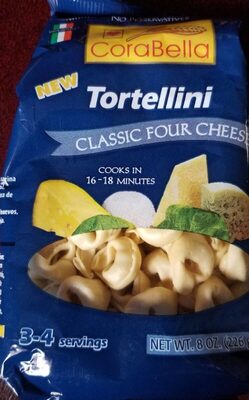
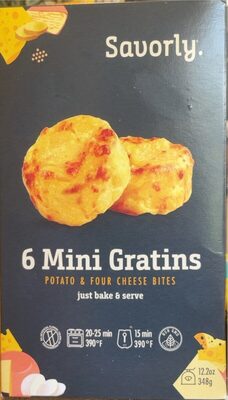
Gorgonzola is often used as a table cheese, crumbled into salads, or melted into sauces and pasta dishes. Its pungent, tangy flavor adds depth to a variety of savory foods. Manufacturers use it to enhance the taste and aroma of products like frozen appetizers, pasta fillings, and pizzas.
Health notes
Gorgonzola is a natural dairy product and is generally recognized as safe by the FDA when used as food. Like other cheeses, it is a source of protein, calcium, and vitamin B12. International bodies like EFSA have evaluated cheese and dairy products. While generally considered safe, some individuals may have sensitivities to dairy products.
Allergen info
Gorgonzola is derived from cow's milk, which is one of the FDA's nine major allergens. It does not contain gluten.
Foods that contain Gorgonzola
Compare products →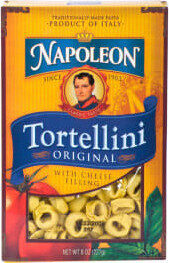
Learn more
Auto-generated content. This description was generated automatically and is pending editorial review. Inaccuracies are possible. Found a mistake? Contact us.