Grade A Milk And Vitamin D3
What is Grade A Milk And Vitamin D3?
Grade A milk is fluid milk that meets the U.S. Public Health Service Grade A Pasteurized Milk Ordinance standards for quality and safety. Vitamin D3 (cholecalciferol) is a nutrient that can be added to milk. Milk is a white liquid produced by mammals, and vitamin D3 is often produced in the skin when exposed to sunlight or can be synthesized.
Is Grade A Milk And Vitamin D3 vegan?
No. Grade A Milk And Vitamin D3 is animal-derived, so it is not vegan.
Is Grade A Milk And Vitamin D3 gluten-free?
Gluten is not present in milk or vitamin D3.
Is Grade A Milk And Vitamin D3 a major allergen?
Milk is one of the 9 major allergens identified by the FDA.
What is Grade A Milk And Vitamin D3 used for?
Milk is a nutrient-rich beverage often fortified with Vitamin D to help the body absorb calcium.
Is Grade A Milk And Vitamin D3 safe?
Grade A milk and added Vitamin D3 are generally recognized as safe (GRAS) by the FDA.
Why it's used
Milk is a nutrient-rich beverage often fortified with Vitamin D to help the body absorb calcium. It is also used as an ingredient in many dairy products like cheese, yogurt, and ice cream, as well as in baked goods and sauces. Vitamin D3 is added to milk to increase its nutritional value.
Health notes
Grade A milk and added Vitamin D3 are generally recognized as safe (GRAS) by the FDA. Vitamin D is essential for bone health, and milk is a good source of calcium. The National Academies have set upper intake levels for vitamin D. JECFA has evaluated vitamin D. Excessive intake of vitamin D can lead to health problems, but this is rare from consuming fortified milk alone.
Allergen info
Milk is one of the 9 major allergens identified by the FDA. Gluten is not present in milk or vitamin D3.
Foods that contain Grade A Milk And Vitamin D3
Compare products →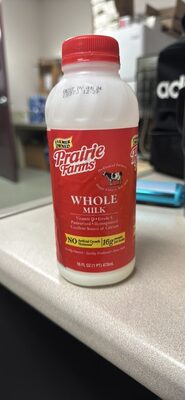 Prairie Farms Dairy, Inc.
Vitamin D Milk
High in saturated fat — 25% DV per serving
62kcal
3.3Protein
3.3Fat
4.6Carbs
Prairie Farms Dairy, Inc.
Vitamin D Milk
High in saturated fat — 25% DV per serving
62kcal
3.3Protein
3.3Fat
4.6Carbs
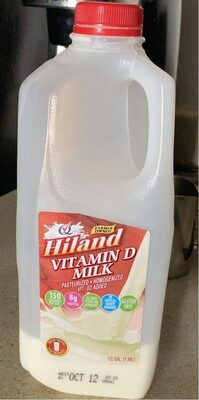 Hiland Dairy Inc.
Vitamin D Milk
High in saturated fat — 25% DV per serving
62kcal
3.3Protein
3.3Fat
4.6Carbs
Prairie Farms Dairy, Inc.
Vitamin D Milk
High in saturated fat — 25% DV per serving
62kcal
3.3Protein
3.3Fat
4.6Carbs
Kowalski Sausage Co. Inc.
Twice Baked Potatoes With Bacon & Chives
High in sodium — 70% DV per serving
High in saturated fat — 90% DV per serving
High in cholesterol — 22% DV per serving
127kcal
3.5Protein
8.5Fat
8.5Carbs
Hiland Dairy Inc.
Vitamin D Milk
High in saturated fat — 25% DV per serving
62kcal
3.3Protein
3.3Fat
4.6Carbs
Prairie Farms Dairy, Inc.
Vitamin D Milk
High in saturated fat — 25% DV per serving
62kcal
3.3Protein
3.3Fat
4.6Carbs
Kowalski Sausage Co. Inc.
Twice Baked Potatoes With Bacon & Chives
High in sodium — 70% DV per serving
High in saturated fat — 90% DV per serving
High in cholesterol — 22% DV per serving
127kcal
3.5Protein
8.5Fat
8.5Carbs
Learn more
Auto-generated content. This description was generated automatically and is pending editorial review. Inaccuracies are possible. Found a mistake? Contact us.