Grade A Pasteurized Cultured Whole Milk
What is Grade A Pasteurized Cultured Whole Milk?
This is milk that has been heated to kill harmful bacteria and then had beneficial bacteria (cultures) added. The cultures ferment the milk's natural sugars, creating lactic acid, which thickens the milk and gives it a tangy taste. It is the base ingredient for many dairy products like yogurt and cheese.
Is Grade A Pasteurized Cultured Whole Milk vegan?
No. Grade A Pasteurized Cultured Whole Milk is animal-derived, so it is not vegan.
Is Grade A Pasteurized Cultured Whole Milk a major allergen?
Milk is one of the 9 major allergens recognized by the FDA.
What is Grade A Pasteurized Cultured Whole Milk used for?
Manufacturers use it as a primary ingredient in cultured dairy products, providing a creamy texture, tangy flavor, and acting as a source of protein and calcium.
Is Grade A Pasteurized Cultured Whole Milk safe?
Grade A pasteurized cultured whole milk is a common food ingredient and is generally recognized as safe (GRAS) by the FDA.
Why it's used
Manufacturers use it as a primary ingredient in cultured dairy products, providing a creamy texture, tangy flavor, and acting as a source of protein and calcium. It is commonly found in yogurts, sour cream, kefir, and some cheeses.
Health notes
Grade A pasteurized cultured whole milk is a common food ingredient and is generally recognized as safe (GRAS) by the FDA. It is a source of protein, calcium, and vitamin D (if fortified). Consuming dairy products can be part of a balanced diet. The WHO has not specifically evaluated this ingredient.
Allergen info
Milk is one of the 9 major allergens recognized by the FDA. Therefore, Grade A pasteurized cultured whole milk is a major allergen.
Foods that contain Grade A Pasteurized Cultured Whole Milk
Compare products →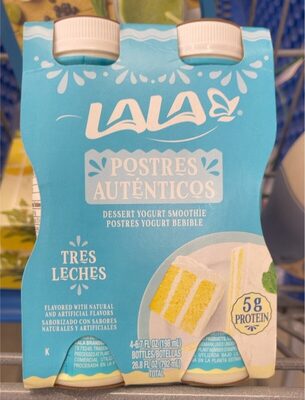 Lala U.S., Inc.
Tres Leches Flavored Dessert Yogurt Smoothie, Tres Leches
High in added sugars — 40% DV per serving
96kcal
2.5Protein
2.5Fat
16.2Carbs
Lala U.S., Inc.
Tres Leches Flavored Dessert Yogurt Smoothie, Tres Leches
High in added sugars — 40% DV per serving
96kcal
2.5Protein
2.5Fat
16.2Carbs
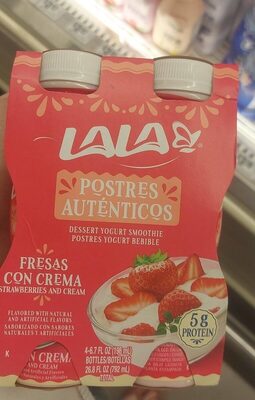 Lala U.S., Inc.
Strawberries And Cream Dessert Yogurt Smoothie, Strawberries And Cream
High in added sugars — 38% DV per serving
91kcal
2.5Protein
2.3Fat
15.7Carbs
Lala U.S., Inc.
Strawberries And Cream Dessert Yogurt Smoothie, Strawberries And Cream
High in added sugars — 38% DV per serving
91kcal
2.5Protein
2.3Fat
15.7Carbs
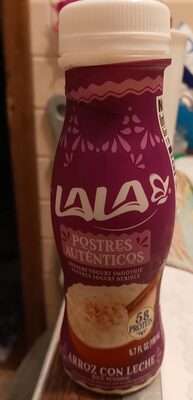 Lala U.S., Inc.
Arroz Con Leche Rice Pudding Flavored Dessert Yogurt Smoothie, Arroz Con Leche Rice Pudding
High in added sugars — 40% DV per serving
96kcal
2.5Protein
2.3Fat
16.7Carbs
Pecos Pete Foods, Inc.
Natural Real Greek Yogurt, Natural
92kcal
9.0Protein
3.5Fat
5.3Carbs
Lala U.S., Inc.
Arroz Con Leche Rice Pudding Flavored Dessert Yogurt Smoothie, Arroz Con Leche Rice Pudding
High in added sugars — 40% DV per serving
96kcal
2.5Protein
2.3Fat
16.7Carbs
Pecos Pete Foods, Inc.
Natural Real Greek Yogurt, Natural
92kcal
9.0Protein
3.5Fat
5.3Carbs
Learn more
Auto-generated content. This description was generated automatically and is pending editorial review. Inaccuracies are possible. Found a mistake? Contact us.