Grade A Pasteurized Nonfat Milk And Cream
What is Grade A Pasteurized Nonfat Milk And Cream?
This is milk from cows that has been pasteurized to kill harmful bacteria. The cream has been removed, making it nonfat milk. It is a common dairy ingredient used in many food products.
Is Grade A Pasteurized Nonfat Milk And Cream vegan?
No. Grade A Pasteurized Nonfat Milk And Cream is animal-derived, so it is not vegan.
Is Grade A Pasteurized Nonfat Milk And Cream a major allergen?
Milk is one of the 9 major allergens recognized by the FDA.
What is Grade A Pasteurized Nonfat Milk And Cream used for?
Manufacturers use nonfat milk and cream to add a creamy texture, richness, and dairy flavor to foods.
Is Grade A Pasteurized Nonfat Milk And Cream safe?
Grade A pasteurized nonfat milk and cream is a common food ingredient and is generally recognized as safe (GRAS) by the FDA.
Why it's used
Manufacturers use nonfat milk and cream to add a creamy texture, richness, and dairy flavor to foods. It also contributes protein and calcium. It is commonly found in yogurt, ice cream, cheeses, baked goods, and sauces.
Health notes
Grade A pasteurized nonfat milk and cream is a common food ingredient and is generally recognized as safe (GRAS) by the FDA. It is a source of protein, calcium, and vitamin D (if fortified). International bodies like JECFA have evaluated milk and dairy products. Consuming dairy products as part of a balanced diet is associated with bone health.
Allergen info
Milk is one of the 9 major allergens recognized by the FDA. This ingredient is derived from milk.
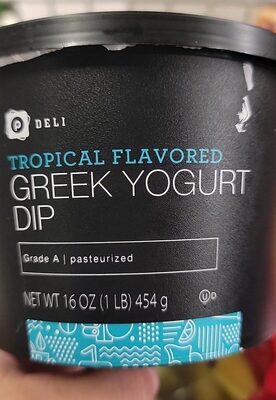
Foods that contain Grade A Pasteurized Nonfat Milk And Cream
Compare products →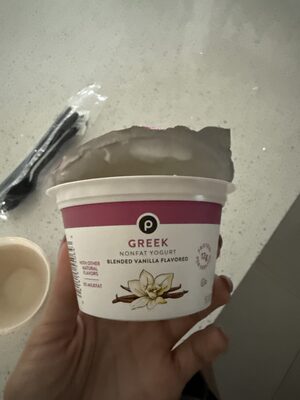
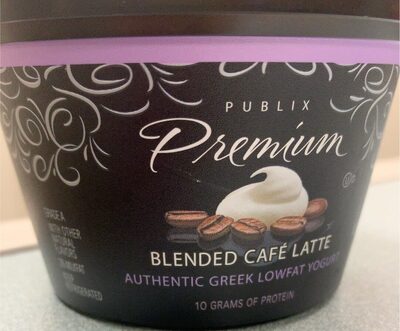
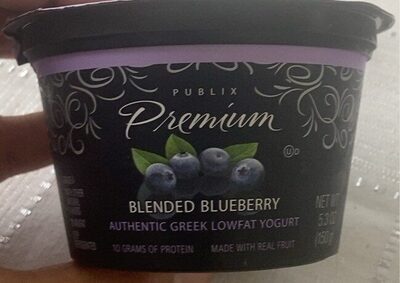
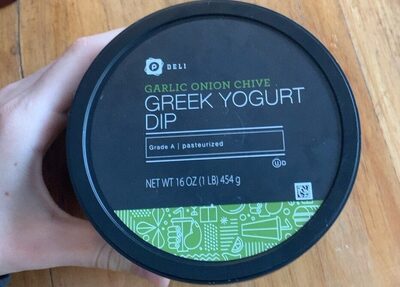
Learn more
Auto-generated content. This description was generated automatically and is pending editorial review. Inaccuracies are possible. Found a mistake? Contact us.