Grade A Reduced Fat Organic Milk
What is Grade A Reduced Fat Organic Milk?
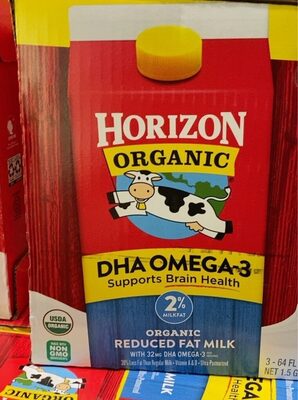
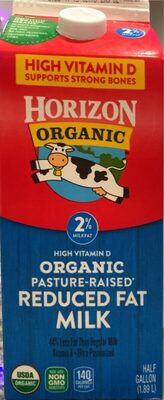
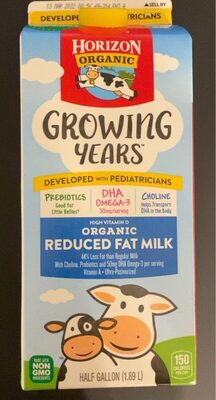
Grade A reduced-fat organic milk is cow's milk that has had some of its fat removed, typically to 2% or 1% fat content. It comes from cows raised according to organic standards, which include specific feed, living conditions, and restrictions on antibiotics and hormones.
Is Grade A Reduced Fat Organic Milk vegan?
No. Grade A Reduced Fat Organic Milk is animal-derived, so it is not vegan.
Is Grade A Reduced Fat Organic Milk a major allergen?
Milk is one of the nine major food allergens identified by the FDA.
What is Grade A Reduced Fat Organic Milk used for?
Manufacturers use reduced-fat organic milk as a standalone beverage and as an ingredient in various food products.
Is Grade A Reduced Fat Organic Milk safe?
Milk is a common food item and is generally recognized as safe (GRAS) by the FDA.
Why it's used
Manufacturers use reduced-fat organic milk as a standalone beverage and as an ingredient in various food products. It is commonly found in cereals, baked goods, sauces, and dairy-based desserts, providing a creamy texture and nutritional value.
Health notes
Milk is a common food item and is generally recognized as safe (GRAS) by the FDA. It is a source of protein, calcium, and often vitamin D (if fortified). Reduced-fat milk contains less saturated fat than whole milk. JECFA and EFSA do not typically evaluate basic food commodities like milk in the same way they do food additives.
Allergen info
Milk is one of the nine major food allergens identified by the FDA.
Foods that contain Grade A Reduced Fat Organic Milk
Compare products →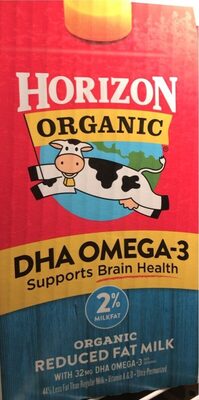
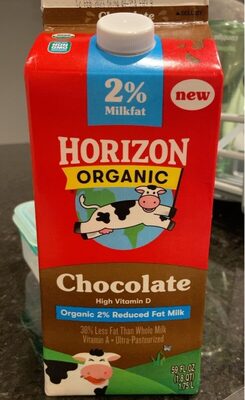
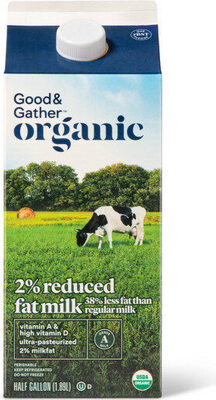
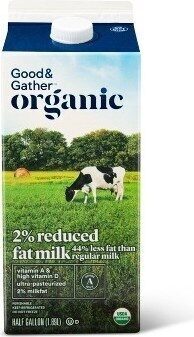
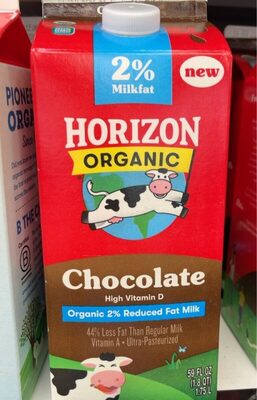
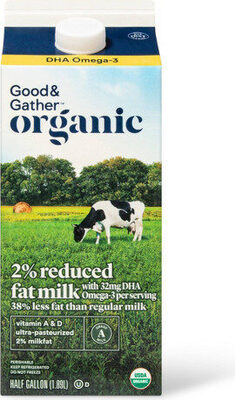
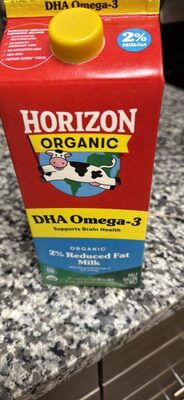
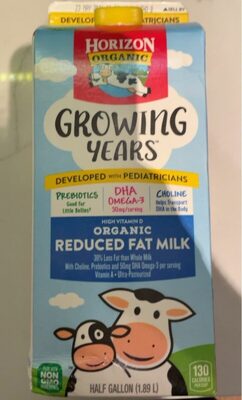
Learn more
Auto-generated content. This description was generated automatically and is pending editorial review. Inaccuracies are possible. Found a mistake? Contact us.