Grade A Uht Reduced Fat Milk
What is Grade A Uht Reduced Fat Milk?
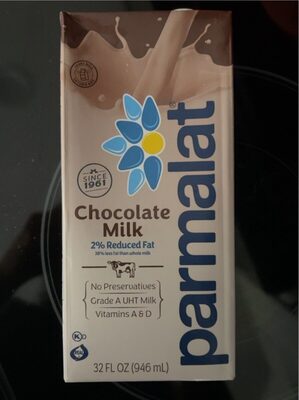
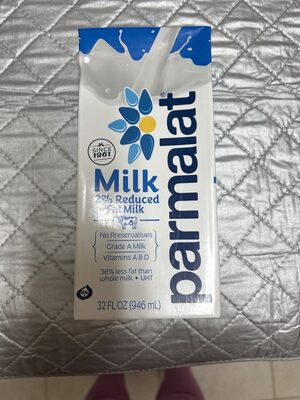
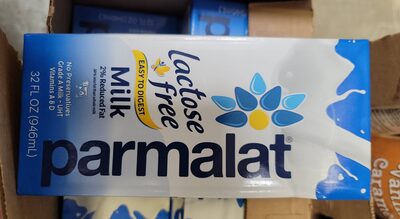
Grade A UHT Reduced Fat Milk is cow's milk that has had most of the fat removed and has been pasteurized using ultra-high temperature (UHT) processing. UHT involves heating the milk to a higher temperature for a shorter time than traditional pasteurization, which extends its shelf life. It is a common dairy product found in grocery stores.
Is Grade A Uht Reduced Fat Milk vegan?
No. Grade A Uht Reduced Fat Milk is animal-derived, so it is not vegan.
Is Grade A Uht Reduced Fat Milk a major allergen?
Milk is one of the 9 FDA major allergens.
What is Grade A Uht Reduced Fat Milk used for?
Reduced fat milk is primarily consumed as a beverage.
Is Grade A Uht Reduced Fat Milk safe?
Reduced fat milk is a source of calcium, vitamin D, and protein.
Why it's used
Reduced fat milk is primarily consumed as a beverage. It is also used as an ingredient in recipes for baked goods, sauces, and other dishes where a liquid dairy component is needed. Manufacturers use it for its nutritional value and creamy texture.
Health notes
Reduced fat milk is a source of calcium, vitamin D, and protein. The U.S. Food and Drug Administration (FDA) regulates milk and dairy products to ensure safety and proper labeling. Major health organizations generally recommend dairy products as part of a balanced diet. Evidence does not suggest adverse health effects from consuming reduced fat milk at typical dietary levels.
Allergen info
Milk is one of the 9 FDA major allergens. Consumers with a milk allergy should avoid this product.
Foods that contain Grade A Uht Reduced Fat Milk
Compare products →
Learn more
Auto-generated content. This description was generated automatically and is pending editorial review. Inaccuracies are possible. Found a mistake? Contact us.