Grana Padano
Auto-generated content. This description was generated automatically and is pending editorial review. Inaccuracies are possible. Found a mistake? Contact us.
What it is
Grana Padano is a hard, Italian cow's milk cheese, similar to Parmigiano-Reggiano. It is made in the Po River Valley of Northern Italy and aged for at least 9 months, developing a granular texture and a rich, nutty flavor.
Why it's used
Manufacturers use Grana Padano primarily as a flavoring ingredient, adding a savory, umami taste to foods. It is commonly found grated or shredded in pasta sauces, frozen appetizers, and as a topping for pizzas and other Italian-inspired dishes.
Health notes
Grana Padano is a natural food ingredient and is not subject to FDA additive regulations. It is a source of protein, calcium, and other nutrients. Regulatory bodies like EFSA have evaluated cheese and dairy products generally, but Grana Padano itself does not have specific ADI limits set by international bodies like JECFA. Consumption within a balanced diet is generally considered safe.
Allergen info
Grana Padano is derived from milk, which is one of the 9 FDA major allergens. It does not contain gluten.
Products containing Grana Padano
Compare products →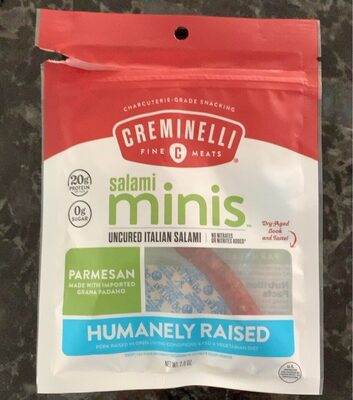 Creminelli Fine Meats
Parmesan Uncured Italian Salami Minis, Parmesan
High in sodium — 22% DV per serving
290kcal
32.3Protein
16.1Fat
0Carbs
Wakefern Food Corporation
Specialty, Fettuccine Alfredo Pasta With Alfredo Sauce With Onion, Cheese, Garlic, White Wine & White Pepper, Fettuccine Alfredo
High in saturated fat — 30% DV per serving
141kcal
4.5Protein
6.4Fat
16.7Carbs
The Kroger Co.
Margherita With Pomodoro Tomato Sauce, Buffalo Mozzarella Cheese, Marinated Tomatoes, Basil Thin Crust Pizza, Margherita
High in sodium — 23% DV per serving
High in saturated fat — 30% DV per serving
275kcal
10.8Protein
11.7Fat
31.7Carbs
Creminelli Fine Meats
Parmesan Uncured Italian Salami Minis, Parmesan
High in sodium — 22% DV per serving
290kcal
32.3Protein
16.1Fat
0Carbs
Wakefern Food Corporation
Specialty, Fettuccine Alfredo Pasta With Alfredo Sauce With Onion, Cheese, Garlic, White Wine & White Pepper, Fettuccine Alfredo
High in saturated fat — 30% DV per serving
141kcal
4.5Protein
6.4Fat
16.7Carbs
The Kroger Co.
Margherita With Pomodoro Tomato Sauce, Buffalo Mozzarella Cheese, Marinated Tomatoes, Basil Thin Crust Pizza, Margherita
High in sodium — 23% DV per serving
High in saturated fat — 30% DV per serving
275kcal
10.8Protein
11.7Fat
31.7Carbs