Granular And Romano Cheese
What is Granular And Romano Cheese?
Granular cheese is a hard, dry cheese that is aged for a long time. Romano cheese is a type of granular cheese made from cow's milk or sheep's milk, known for its sharp, salty flavor. It is often grated or ground before use.
Is Granular And Romano Cheese vegan?
No. Granular And Romano Cheese is animal-derived, so it is not vegan.
Is Granular And Romano Cheese gluten-free?
They do not contain gluten.
Is Granular And Romano Cheese a major allergen?
Granular and Romano cheeses are derived from milk, which is one of the 9 FDA major allergens.
What is Granular And Romano Cheese used for?
Manufacturers add granular and Romano cheeses for their distinct, sharp, salty flavor and savory umami taste.
Is Granular And Romano Cheese safe?
Granular and Romano cheeses are generally recognized as safe (GRAS) by the FDA when used as food ingredients.
Why it's used
Manufacturers add granular and Romano cheeses for their distinct, sharp, salty flavor and savory umami taste. They are commonly used as a topping or ingredient in pasta dishes, pizzas, sauces, soups, and salad dressings.
Health notes
Granular and Romano cheeses are generally recognized as safe (GRAS) by the FDA when used as food ingredients. They are a source of protein, calcium, and other nutrients. Regulatory bodies like JECFA and EFSA have evaluated cheese and dairy products. As with many dairy products, excessive consumption could contribute to high sodium intake.
Allergen info
Granular and Romano cheeses are derived from milk, which is one of the 9 FDA major allergens. They do not contain gluten.
Foods that contain Granular And Romano Cheese
Compare products →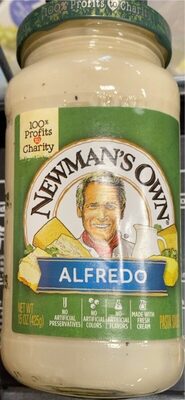 Newman's Own, Inc.
Pasta Sauce, Alfredo
High in saturated fat — 23% DV per serving
148kcal
1.6Protein
13.1Fat
4.9Carbs
Newman's Own, Inc.
Pasta Sauce, Alfredo
High in saturated fat — 23% DV per serving
148kcal
1.6Protein
13.1Fat
4.9Carbs
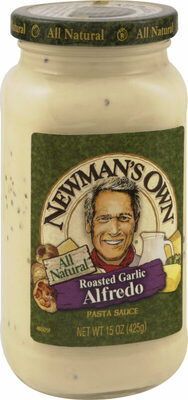 Newman's Own, Inc.
Pasta Sauce, Roasted Garlic Alfredo
High in saturated fat — 23% DV per serving
148kcal
1.6Protein
13.1Fat
6.6Carbs
BORRELLI
Sauce Pour Pates Romano
High in sodium — 26% DV per serving
42kcal
1.7Protein
0.4Fat
7.5Carbs
Weis Markets, Inc.
Four Cheese Alfredo Classic Sauces, Four Cheese Alfredo
98kcal
1.6Protein
6.6Fat
4.9Carbs
Newman's Own, Inc.
Newman's Own, Five Cheese Pasta Sauce
High in sodium — 20% DV per serving
72kcal
3.2Protein
2Fat
11.2Carbs
Smithfield Packaged Meats Corp.
Ham & Cheese Wraps Applesauce, Whole Wheat Tortillas, Extra Lean Sliced Chopped Honey Ham Water Added, Reduced Fat Cheddar Cheese & Ranch Sauce, Ham & Cheese Wraps
High in sodium — 26% DV per serving
High in saturated fat — 22% DV per serving
167kcal
7.2Protein
6.7Fat
18.9Carbs
Newman's Own, Inc.
Pasta Sauce, Roasted Garlic Alfredo
High in saturated fat — 23% DV per serving
148kcal
1.6Protein
13.1Fat
6.6Carbs
BORRELLI
Sauce Pour Pates Romano
High in sodium — 26% DV per serving
42kcal
1.7Protein
0.4Fat
7.5Carbs
Weis Markets, Inc.
Four Cheese Alfredo Classic Sauces, Four Cheese Alfredo
98kcal
1.6Protein
6.6Fat
4.9Carbs
Newman's Own, Inc.
Newman's Own, Five Cheese Pasta Sauce
High in sodium — 20% DV per serving
72kcal
3.2Protein
2Fat
11.2Carbs
Smithfield Packaged Meats Corp.
Ham & Cheese Wraps Applesauce, Whole Wheat Tortillas, Extra Lean Sliced Chopped Honey Ham Water Added, Reduced Fat Cheddar Cheese & Ranch Sauce, Ham & Cheese Wraps
High in sodium — 26% DV per serving
High in saturated fat — 22% DV per serving
167kcal
7.2Protein
6.7Fat
18.9Carbs
Learn more
Auto-generated content. This description was generated automatically and is pending editorial review. Inaccuracies are possible. Found a mistake? Contact us.