Grass Fed Ghee
What is Grass Fed Ghee?
Grass-fed ghee is a type of clarified butter made from the milk of cows that graze on grass. To make ghee, butter is simmered to remove water and milk solids, leaving behind pure butterfat. This process gives ghee a higher smoke point and a longer shelf life than regular butter.
Is Grass Fed Ghee vegan?
No. Grass Fed Ghee is animal-derived, so it is not vegan.
Is Grass Fed Ghee gluten-free?
It does not contain gluten.
Is Grass Fed Ghee a major allergen?
Ghee is derived from milk, which is one of the nine major allergens recognized by the FDA.
What is Grass Fed Ghee used for?
Manufacturers use ghee as a cooking fat due to its high smoke point, making it suitable for frying and sautéing.
Is Grass Fed Ghee safe?
Ghee is generally recognized as safe (GRAS) by the FDA for use in food.
Why it's used
Manufacturers use ghee as a cooking fat due to its high smoke point, making it suitable for frying and sautéing. It is also used to add a rich, buttery flavor to a variety of foods, including baked goods, sauces, and vegetables. It is found in cooking oils, cereals, and spreads.
Health notes
Ghee is generally recognized as safe (GRAS) by the FDA for use in food. It is primarily composed of fat, including saturated fat. While ghee contains fat-soluble vitamins, it is not typically consumed in amounts that would significantly contribute to nutrient intake. Organizations like JECFA have evaluated ghee and similar dairy fats. Evidence on the health effects of saturated fat intake is mixed and subject to ongoing research.
Allergen info
Ghee is derived from milk, which is one of the nine major allergens recognized by the FDA. It does not contain gluten.
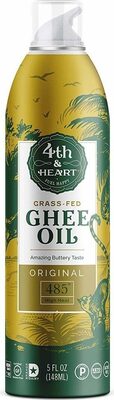
Foods that contain Grass Fed Ghee
Compare products →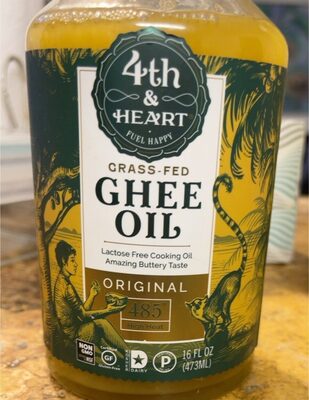
Learn more
Auto-generated content. This description was generated automatically and is pending editorial review. Inaccuracies are possible. Found a mistake? Contact us.