Hard Fraction
What is Hard Fraction?
The hard fraction is a component of cocoa butter, the fat extracted from cocoa beans. It is the portion of cocoa butter that solidifies at room temperature. It is obtained through fractionation, a process that separates fats based on their melting points.
Is Hard Fraction vegan?
Hard Fraction is not animal-derived. Products that contain it can still include other animal-derived ingredients, so check the full ingredient list.
Is Hard Fraction a major allergen?
Not a major allergen.
What is Hard Fraction used for?
Manufacturers add the hard fraction for its melting properties and texture contribution.
Is Hard Fraction safe?
The hard fraction is a component of cocoa butter, which is generally recognized as safe (GRAS) by the FDA.
Why it's used
Manufacturers add the hard fraction for its melting properties and texture contribution. It is often used in chocolate, confectionery coatings, and baking decorations to provide a firm snap and smooth mouthfeel.
Health notes
The hard fraction is a component of cocoa butter, which is generally recognized as safe (GRAS) by the FDA. It is primarily composed of saturated and monounsaturated fats. The World Health Organization (WHO) and the European Food Safety Authority (EFSA) have evaluated fats and fatty acids, but specific evaluations for the 'hard fraction' as a distinct ingredient are not typically found. Typical intake from chocolate and confectionery is not associated with adverse health effects.
Allergen info
Not a major allergen. It is derived from cocoa beans, which are not among the nine major allergens.
Foods that contain Hard Fraction
Compare products →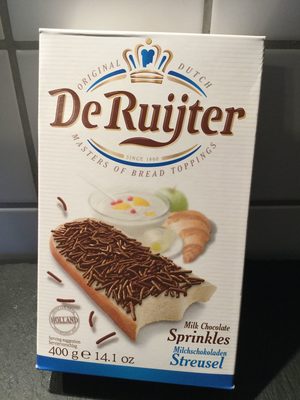

Learn more
Auto-generated content. This description was generated automatically and is pending editorial review. Inaccuracies are possible. Found a mistake? Contact us.