Hazelnut Butter
What is Hazelnut Butter?
Hazelnut butter is a spread made from ground roasted hazelnuts. It has a rich, nutty flavor and a creamy texture. Hazelnuts are tree nuts grown on Corylus trees.
Is Hazelnut Butter vegan?
Hazelnut Butter is not animal-derived. Products that contain it can still include other animal-derived ingredients, so check the full ingredient list.
Is Hazelnut Butter a major allergen?
Hazelnuts are tree nuts, which are one of the 9 major allergens identified by the FDA.
What is Hazelnut Butter used for?
Hazelnut butter is used to add a distinct nutty flavor and creamy texture to foods.
Is Hazelnut Butter safe?
Hazelnut butter is generally recognized as safe (GRAS) by the FDA when used as a food ingredient.
Why it's used
Hazelnut butter is used to add a distinct nutty flavor and creamy texture to foods. It is commonly found in baked goods, confectionery, spreads, and dairy products like ice cream. Manufacturers use it as a flavor enhancer and a fat source.
Health notes
Hazelnut butter is generally recognized as safe (GRAS) by the FDA when used as a food ingredient. It is a source of healthy fats, fiber, and micronutrients. JECFA and EFSA have evaluated hazelnuts and hazelnut products, and they are considered safe for consumption. Evidence does not suggest adverse health effects from typical consumption.
Allergen info
Hazelnuts are tree nuts, which are one of the 9 major allergens identified by the FDA. Hazelnut butter is therefore considered a major allergen.
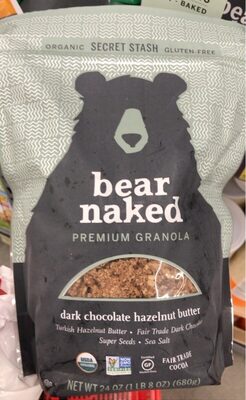
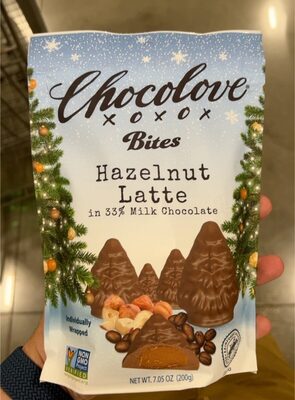
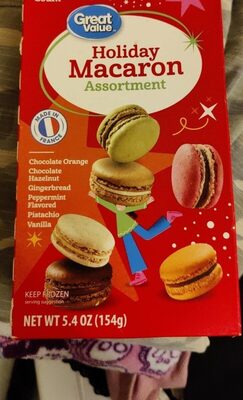
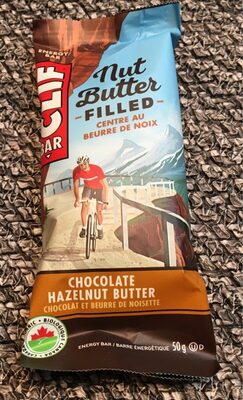
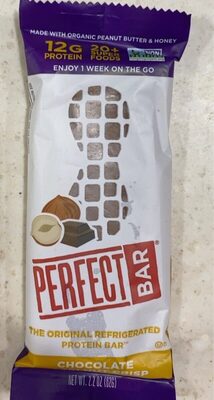
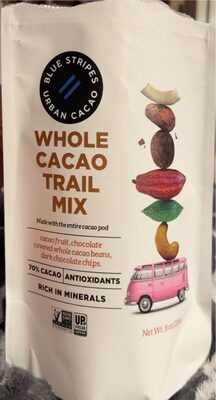
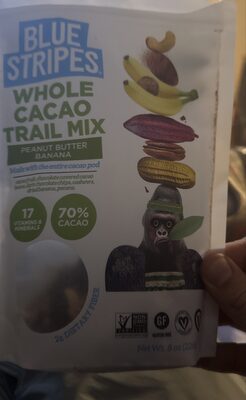
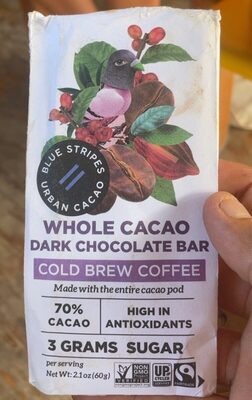
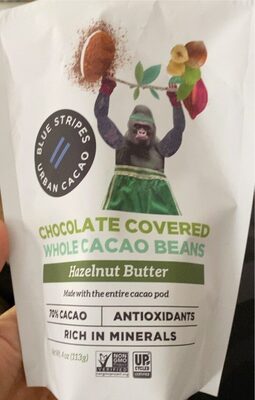
Foods that contain Hazelnut Butter
Compare products →


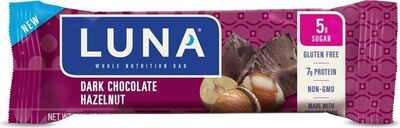
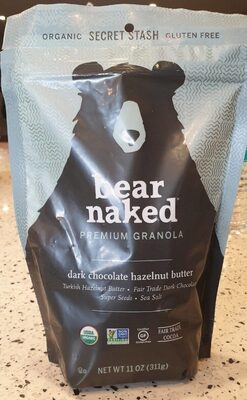
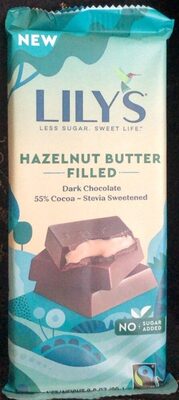

Learn more
Auto-generated content. This description was generated automatically and is pending editorial review. Inaccuracies are possible. Found a mistake? Contact us.