Hazelnut
What is Hazelnut?
Hazelnuts are the edible nuts of the hazel tree, native to Europe and Western Asia. They are typically harvested in the fall and can be eaten raw, roasted, or ground into a paste. Roasting enhances their flavor and makes their skins easier to remove.
Is Hazelnut vegan?
Hazelnut is not animal-derived. Products that contain it can still include other animal-derived ingredients, so check the full ingredient list.
Is Hazelnut a major allergen?
Hazelnuts are classified as a tree nut, which is one of the 9 major food allergens recognized by the FDA.
What is Hazelnut used for?
Hazelnuts are primarily used to add a rich, nutty flavor and aroma to foods.
Is Hazelnut safe?
Hazelnuts are recognized as safe by the FDA when used as a food ingredient.
Why it's used
Hazelnuts are primarily used to add a rich, nutty flavor and aroma to foods. They are a popular ingredient in confectionery, especially chocolate products, baked goods like cookies and cakes, and spreads like hazelnut butter. They can also be used as a topping or incorporated into savory dishes.
Health notes
Hazelnuts are recognized as safe by the FDA when used as a food ingredient. They are a source of healthy fats, protein, fiber, vitamins, and minerals. The Joint FAO/WHO Expert Committee on Food Additives (JECFA) has evaluated hazelnuts, and the European Food Safety Authority (EFSA) has also assessed their safety. While generally considered healthy, they are calorie-dense, and consumption should be part of a balanced diet.
Allergen info
Hazelnuts are classified as a tree nut, which is one of the 9 major food allergens recognized by the FDA. People with tree nut allergies must avoid them.
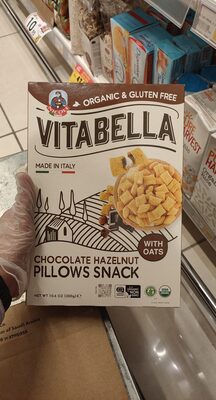
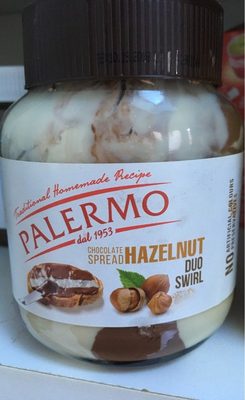
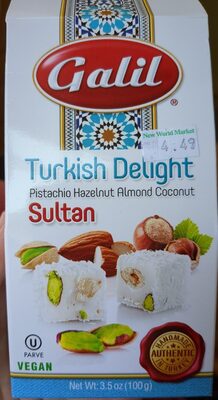
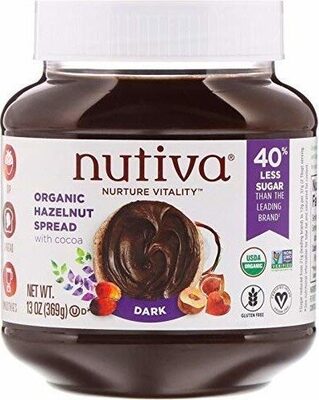
Foods that contain Hazelnut
Compare products →















Learn more
Auto-generated content. This description was generated automatically and is pending editorial review. Inaccuracies are possible. Found a mistake? Contact us.