High Acid Buttermilk Blend
What is High Acid Buttermilk Blend?
A blend of buttermilk and an acidifying agent, such as citric acid or lactic acid. It is used to enhance the flavor and texture of baked goods and other food products. The acidifying agent helps to stabilize the buttermilk and prevent curdling.
Is High Acid Buttermilk Blend vegan?
No. High Acid Buttermilk Blend is animal-derived, so it is not vegan.
Is High Acid Buttermilk Blend gluten-free?
It does not contain gluten.
Is High Acid Buttermilk Blend a major allergen?
High Acid Buttermilk Blend is derived from milk, which is one of the 9 major allergens.
What is High Acid Buttermilk Blend used for?
Manufacturers add this blend to provide a tangy flavor and improve the leavening of baked goods like biscuits and pancakes.
Is High Acid Buttermilk Blend safe?
High Acid Buttermilk Blend is generally recognized as safe (GRAS) by the FDA when used as intended.
Why it's used
Manufacturers add this blend to provide a tangy flavor and improve the leavening of baked goods like biscuits and pancakes. It also contributes to a tender crumb and moist texture. It is commonly found in frozen breakfast items, baked goods, and savory snacks.
Health notes
High Acid Buttermilk Blend is generally recognized as safe (GRAS) by the FDA when used as intended. It is a dairy-derived ingredient and is a source of calcium and protein. Regulatory bodies like JECFA and EFSA have evaluated buttermilk and its components. No significant health concerns are associated with its consumption at typical levels found in food.
Allergen info
High Acid Buttermilk Blend is derived from milk, which is one of the 9 major allergens. It does not contain gluten.
Foods that contain High Acid Buttermilk Blend
Compare products →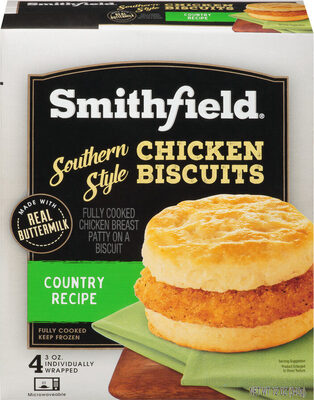 Smithfield Farmland Corp.
Southern Style Country Recipe Chicken Biscuits
High in sodium — 26% DV per serving
High in saturated fat — 25% DV per serving
274kcal
11.9Protein
13.1Fat
27.4Carbs
Smithfield Farmland Corp.
Southern Style Pork Sausage Biscuits, Maple
High in sodium — 23% DV per serving
High in saturated fat — 45% DV per serving
357kcal
8.3Protein
25Fat
26.2Carbs
Smithfield Farmland Corp.
Hometown Original Southern Style Pork Sausage Biscuits, Pork
High in sodium — 27% DV per serving
High in saturated fat — 50% DV per serving
369kcal
8.3Protein
27.4Fat
22.6Carbs
Smithfield Farmland Corp.
Southern Style Country Recipe Chicken Biscuits
High in sodium — 26% DV per serving
High in saturated fat — 25% DV per serving
274kcal
11.9Protein
13.1Fat
27.4Carbs
Smithfield Farmland Corp.
Southern Style Pork Sausage Biscuits, Maple
High in sodium — 23% DV per serving
High in saturated fat — 45% DV per serving
357kcal
8.3Protein
25Fat
26.2Carbs
Smithfield Farmland Corp.
Hometown Original Southern Style Pork Sausage Biscuits, Pork
High in sodium — 27% DV per serving
High in saturated fat — 50% DV per serving
369kcal
8.3Protein
27.4Fat
22.6Carbs
Learn more
Auto-generated content. This description was generated automatically and is pending editorial review. Inaccuracies are possible. Found a mistake? Contact us.