High Oleic Low Linoleic Canola Oil
What is High Oleic Low Linoleic Canola Oil?
High oleic, low linoleic canola oil is a type of vegetable oil derived from canola seeds. It is bred or genetically modified to have a different fatty acid profile than standard canola oil, with more monounsaturated fats (oleic acid) and less polyunsaturated fats (linoleic acid). This modification is done to improve the oil's stability and performance in cooking.
Is High Oleic Low Linoleic Canola Oil vegan?
High Oleic Low Linoleic Canola Oil is not animal-derived. Products that contain it can still include other animal-derived ingredients, so check the full ingredient list.
Is High Oleic Low Linoleic Canola Oil gluten-free?
It does not contain gluten.
Is High Oleic Low Linoleic Canola Oil a major allergen?
Canola is not one of the nine major allergens.
What is High Oleic Low Linoleic Canola Oil used for?
Manufacturers use this oil for its high heat tolerance and long shelf life, making it suitable for frying and baking.
Is High Oleic Low Linoleic Canola Oil safe?
High oleic, low linoleic canola oil is generally recognized as safe (GRAS) by the FDA for use in food.
Why it's used
Manufacturers use this oil for its high heat tolerance and long shelf life, making it suitable for frying and baking. Its neutral flavor also makes it a versatile choice. It is often found in processed foods like frozen meals, pasta dishes, and baked goods.
Health notes
High oleic, low linoleic canola oil is generally recognized as safe (GRAS) by the FDA for use in food. Like other vegetable oils, it is a source of fat and calories. The FDA has not set specific upper intake limits for this type of oil. International bodies like JECFA have evaluated canola oil and its components.
Allergen info
Canola is not one of the nine major allergens. It is not derived from soy, which is a common source of confusion. It does not contain gluten.
Foods that contain High Oleic Low Linoleic Canola Oil
Compare products →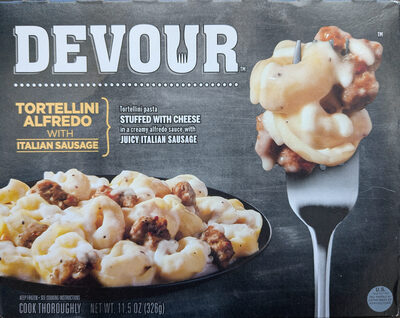 Heinz Frozen Food Company
Tortellini Alfredo With Italian Sausage
High in sodium — 69% DV per serving
High in saturated fat — 60% DV per serving
High in cholesterol — 23% DV per serving
172kcal
7.1Protein
8.6Fat
16.9Carbs
Heinz Frozen Food Company
Tortellini Alfredo With Italian Sausage
High in sodium — 69% DV per serving
High in saturated fat — 60% DV per serving
High in cholesterol — 23% DV per serving
172kcal
7.1Protein
8.6Fat
16.9Carbs
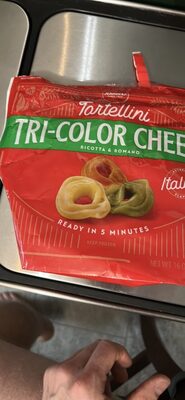 Schnuck Markets, Inc.
Tri-Color Cheese Ricotta & Romano Tortellini, Tri-Color Cheese
173kcal
6.3Protein
1.6Fat
33.9Carbs
Schnuck Markets, Inc.
Tri-Color Cheese Ricotta & Romano Tortellini, Tri-Color Cheese
173kcal
6.3Protein
1.6Fat
33.9Carbs
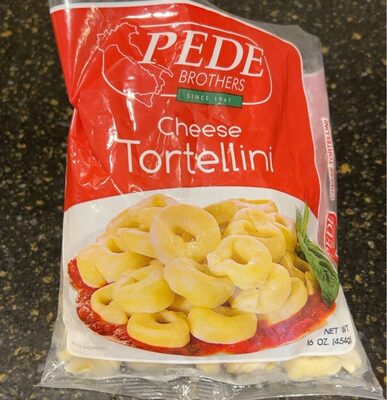 Pede Bros. Italian Spec. Food
Cheese Tortellini Pasta, Cheese
165kcal
6.3Protein
1.2Fat
33.9Carbs
Pede Bros. Italian Spec. Food
Cheese Tortellini Pasta, Cheese
165kcal
6.3Protein
1.2Fat
33.9Carbs
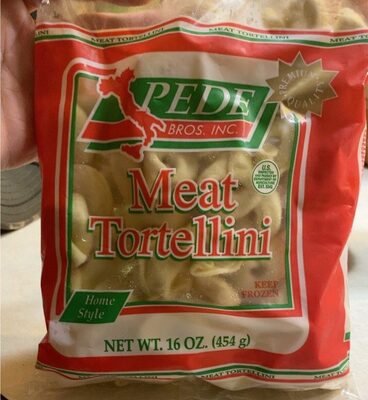 Pede Bros. Italian Spec. Food
Home Style Meat Tortellini
189kcal
7.1Protein
2.8Fat
32.3Carbs
Pede Bros. Italian Spec. Food
Home Style Meat Tortellini
189kcal
7.1Protein
2.8Fat
32.3Carbs
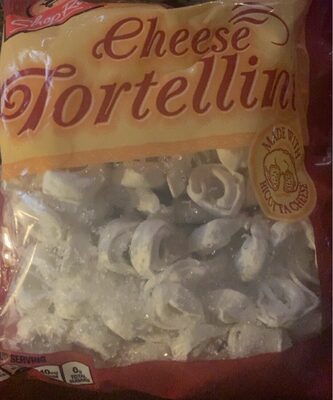 Wakefern Food Corporation
Cheese Tortellini, Cheese
165kcal
6.3Protein
1.2Fat
33.9Carbs
Supervalu, Inc.
Tri-Color Cheese Tortellini
High in sodium — 36% DV per serving
173kcal
7.1Protein
3.1Fat
28.4Carbs
Tops Markets, LLC
Cheese Tortellini, Cheese
170kcal
6Protein
1Fat
34Carbs
Nikki's Italian Products
Cheese Restaurant Style Tortellini, Cheese
165kcal
6.3Protein
1.2Fat
33.9Carbs
Nikki's Italian Products
Restaurant Style Meat Tortellini, Restaurant Style
189kcal
7.1Protein
2.8Fat
32.3Carbs
Schnuck Markets, Inc.
Cheese Ricotta & Romano Tortellini, Cheese
165kcal
6.3Protein
1.2Fat
33.9Carbs
Big Y Foods, Inc.
Meat Tortellini
189kcal
7.1Protein
2.8Fat
32.3Carbs
Big Y Foods, Inc.
Cheese Tortellini
165kcal
6.3Protein
1.2Fat
33.9Carbs
Wakefern Food Corporation
Cheese Tortellini, Cheese
165kcal
6.3Protein
1.2Fat
33.9Carbs
Supervalu, Inc.
Tri-Color Cheese Tortellini
High in sodium — 36% DV per serving
173kcal
7.1Protein
3.1Fat
28.4Carbs
Tops Markets, LLC
Cheese Tortellini, Cheese
170kcal
6Protein
1Fat
34Carbs
Nikki's Italian Products
Cheese Restaurant Style Tortellini, Cheese
165kcal
6.3Protein
1.2Fat
33.9Carbs
Nikki's Italian Products
Restaurant Style Meat Tortellini, Restaurant Style
189kcal
7.1Protein
2.8Fat
32.3Carbs
Schnuck Markets, Inc.
Cheese Ricotta & Romano Tortellini, Cheese
165kcal
6.3Protein
1.2Fat
33.9Carbs
Big Y Foods, Inc.
Meat Tortellini
189kcal
7.1Protein
2.8Fat
32.3Carbs
Big Y Foods, Inc.
Cheese Tortellini
165kcal
6.3Protein
1.2Fat
33.9Carbs
Learn more
Auto-generated content. This description was generated automatically and is pending editorial review. Inaccuracies are possible. Found a mistake? Contact us.