Hippoglossus Stenolepis
Auto-generated content. This description was generated automatically and is pending editorial review. Inaccuracies are possible. Found a mistake? Contact us.
What it is
Pacific Halibut (Hippoglossus stenolepis) is a large flatfish found in the cold waters of the North Pacific Ocean. It is a wild-caught fish, meaning it is harvested directly from its natural habitat. After being caught, it is typically processed into fillets or portions for sale.
Why it's used
Pacific Halibut is valued for its firm, white flesh and mild flavor, making it a popular protein source. It is often sold as fresh or frozen fillets and steaks for home cooking, and can be found in packaged meals or seafood products.
Health notes
As a whole food, Pacific Halibut is regulated by the FDA for safety and proper labeling, not as a food additive. It is a good source of lean protein and beneficial omega-3 fatty acids. Like many large fish, it can contain mercury; however, the FDA and EPA generally consider Pacific halibut a "good choice" regarding mercury levels, recommending it as part of a healthy diet. JECFA and EFSA do not evaluate whole foods like fish as food additives.
Allergen info
Fish is one of the nine major food allergens identified by the FDA. Individuals with a fish allergy should avoid Pacific Halibut.
Products containing Hippoglossus Stenolepis
Compare products →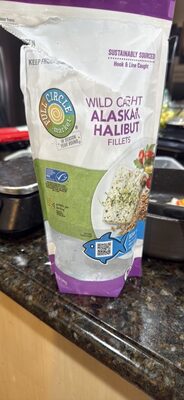 Topco Associates, Inc.
Wild Caught Alaska Halibut Fillets
89kcal
18.8Protein
1.3Fat
0Carbs
Odyssey Enterprises Inc.
Wild Caught Halibut Premium Skinless & Boneless Portions
88kcal
18.6Protein
1.3Fat
0Carbs
Ahold USA, Inc.
Wild Caught Halibut
88kcal
18.6Protein
1.3Fat
0Carbs
Wegmans Food Markets, Inc.
Skinless & Boneless Halibut
High in cholesterol — 28% DV per serving
88kcal
18.8Protein
1.5Fat
0Carbs
Glencourt Inc.
Wild Caught Pacific Halibut Fillets
High in cholesterol — 27% DV per serving
94kcal
18.8Protein
1.2Fat
0Carbs
Topco Associates, Inc.
Wild Caught Alaska Halibut Fillets
89kcal
18.8Protein
1.3Fat
0Carbs
Odyssey Enterprises Inc.
Wild Caught Halibut Premium Skinless & Boneless Portions
88kcal
18.6Protein
1.3Fat
0Carbs
Ahold USA, Inc.
Wild Caught Halibut
88kcal
18.6Protein
1.3Fat
0Carbs
Wegmans Food Markets, Inc.
Skinless & Boneless Halibut
High in cholesterol — 28% DV per serving
88kcal
18.8Protein
1.5Fat
0Carbs
Glencourt Inc.
Wild Caught Pacific Halibut Fillets
High in cholesterol — 27% DV per serving
94kcal
18.8Protein
1.2Fat
0Carbs