Honey Glaze
What is Honey Glaze?
Honey glaze is a sweet, viscous liquid made primarily from honey. It can be a simple mixture of honey and water, or it may include other ingredients like sugar, corn syrup, spices, or flavorings to achieve a desired taste and consistency. The glaze is typically heated to dissolve sugars and create a smooth, pourable texture.
Is Honey Glaze vegan?
No. Honey Glaze is animal-derived, so it is not vegan.
Is Honey Glaze gluten-free?
It does not contain gluten.
Is Honey Glaze a major allergen?
Honey is not one of the 9 FDA major allergens.
What is Honey Glaze used for?
Manufacturers use honey glaze as a sweetener and flavoring agent, adding a distinct sweet and sometimes slightly floral taste.
Is Honey Glaze safe?
Honey is Generally Recognized As Safe (GRAS) by the FDA for use as a food ingredient.
Why it's used
Manufacturers use honey glaze as a sweetener and flavoring agent, adding a distinct sweet and sometimes slightly floral taste. It is often applied to baked goods like croissants and pastries, nuts for roasting, and can be found in snack mixes and salad toppings to enhance palatability and provide a sticky coating.
Health notes
Honey is Generally Recognized As Safe (GRAS) by the FDA for use as a food ingredient. It is primarily composed of sugars (fructose and glucose) and water, and provides calories. JECFA has evaluated honey and established specifications for its quality. While honey has been studied for potential antioxidant and antimicrobial properties, it is not a significant source of vitamins or minerals in typical dietary amounts.
Allergen info
Honey is not one of the 9 FDA major allergens. It does not contain gluten.
Foods that contain Honey Glaze
Compare products →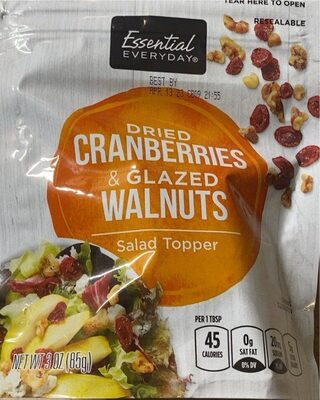
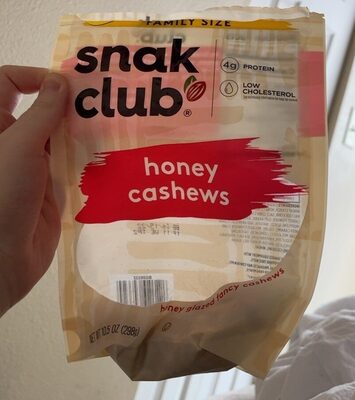
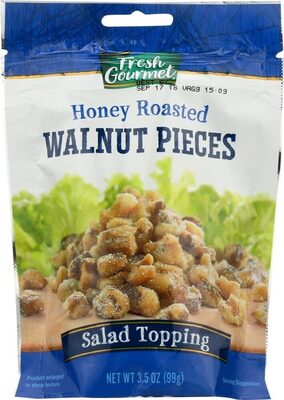
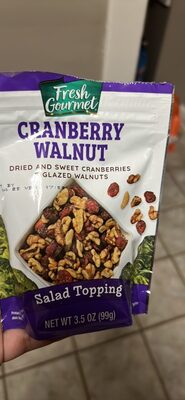
Learn more
Auto-generated content. This description was generated automatically and is pending editorial review. Inaccuracies are possible. Found a mistake? Contact us.