Honey Glazed Walnuts
What is Honey Glazed Walnuts?
Honey glazed walnuts are walnuts that have been coated in a sugar glaze, typically made with honey and sugar, and then baked or roasted. This process gives the walnuts a sweet, crunchy coating. They are a popular snack and ingredient.
Is Honey Glazed Walnuts vegan?
No. Honey Glazed Walnuts is animal-derived, so it is not vegan.
Is Honey Glazed Walnuts a major allergen?
Walnuts are a tree nut, which is one of the 9 FDA major allergens.
What is Honey Glazed Walnuts used for?
Manufacturers use honey glazed walnuts primarily for their sweet flavor and appealing texture.
Is Honey Glazed Walnuts safe?
Honey is generally recognized as safe (GRAS) by the FDA when used as a food ingredient.
Why it's used
Manufacturers use honey glazed walnuts primarily for their sweet flavor and appealing texture. They are often added to snack mixes, baked goods, and salads to provide a sweet and crunchy element. They can also be found as a topping for desserts.
Health notes
Honey is generally recognized as safe (GRAS) by the FDA when used as a food ingredient. Walnuts are a source of healthy fats, protein, and micronutrients. Consuming moderate amounts of honey glazed walnuts as part of a balanced diet is unlikely to cause adverse health effects. The WHO/IARC has not classified honey or walnuts as carcinogenic. Evidence on the health effects of added sugars, like those in the glaze, suggests limiting intake.
Allergen info
Walnuts are a tree nut, which is one of the 9 FDA major allergens. Therefore, honey glazed walnuts are a major allergen.
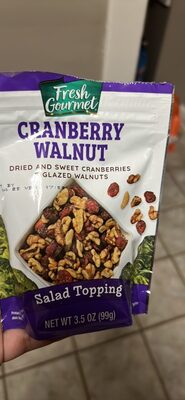
Foods that contain Honey Glazed Walnuts
Compare products →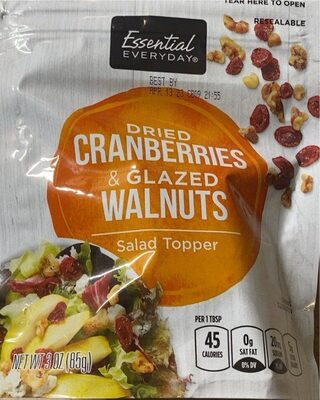
Auto-generated content. This description was generated automatically and is pending editorial review. Inaccuracies are possible. Found a mistake? Contact us.