Horse Mackerel
What is Horse Mackerel?
Horse mackerel is a type of oily fish found in temperate and tropical waters worldwide. It is a common food source in many parts of the world, often canned, smoked, or dried. The fish is typically processed by cleaning, cooking, and then packaging, sometimes with added oil or sauce.
Is Horse Mackerel vegan?
No. Horse Mackerel is animal-derived, so it is not vegan.
Is Horse Mackerel a major allergen?
Horse mackerel is a fish, which is one of the nine major allergens recognized by the FDA.
What is Horse Mackerel used for?
Horse mackerel is used as a source of protein and flavor in canned fish products and soups.
Is Horse Mackerel safe?
Horse mackerel is a natural food ingredient and is not subject to FDA additive regulations.
Why it's used
Horse mackerel is used as a source of protein and flavor in canned fish products and soups. It adds a savory, umami taste and a meaty texture to dishes. It is most frequently found in canned seafood, instant soups, and noodle dishes.
Health notes
Horse mackerel is a natural food ingredient and is not subject to FDA additive regulations. As a fish, it is a source of protein, omega-3 fatty acids, and vitamin D. Like other fish, it can contain mercury, and the FDA and EPA advise certain groups, like pregnant women, to limit consumption of some types of fish. International bodies like JECFA have evaluated fish and fish products for safety.
Allergen info
Horse mackerel is a fish, which is one of the nine major allergens recognized by the FDA. Individuals with a fish allergy should avoid consuming horse mackerel.
Foods that contain Horse Mackerel
Compare products →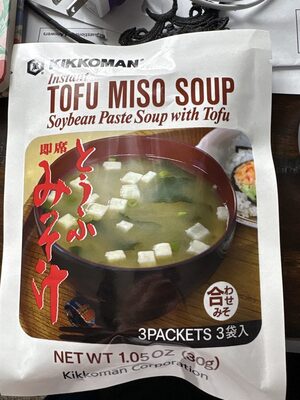
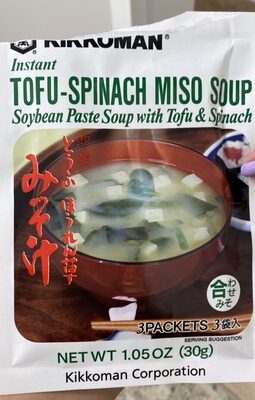
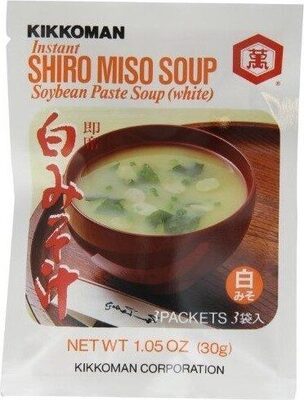
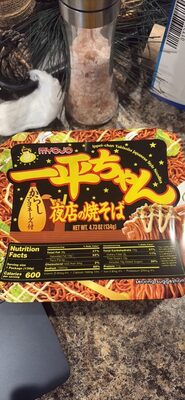
Learn more
Auto-generated content. This description was generated automatically and is pending editorial review. Inaccuracies are possible. Found a mistake? Contact us.