Hydrated Bulgur Wheat
What is Hydrated Bulgur Wheat?
Hydrated bulgur wheat is whole wheat that has been parboiled, dried, and cracked. It is a form of wheat that has been partially cooked and then processed to break it into smaller pieces. This preparation makes it quicker to cook than whole kernels.
Is Hydrated Bulgur Wheat vegan?
Hydrated Bulgur Wheat is not animal-derived. Products that contain it can still include other animal-derived ingredients, so check the full ingredient list.
Is Hydrated Bulgur Wheat gluten-free?
It also contains gluten.
Is Hydrated Bulgur Wheat a major allergen?
Hydrated bulgur wheat is derived from wheat, which is one of the 9 major food allergens identified by the FDA.
What is Hydrated Bulgur Wheat used for?
Hydrated bulgur wheat is often used as a base for grain bowls, pilafs, and stuffing, or as a meat substitute in vegetarian dishes.
Is Hydrated Bulgur Wheat safe?
Bulgur wheat is a source of dietary fiber and some nutrients.
Why it's used
Hydrated bulgur wheat is often used as a base for grain bowls, pilafs, and stuffing, or as a meat substitute in vegetarian dishes. Its texture and mild flavor make it versatile. It is commonly found in vegetable-based meals and frozen patties.
Health notes
Bulgur wheat is a source of dietary fiber and some nutrients. The FDA considers wheat to be a major food allergen. Regulatory bodies like EFSA have evaluated wheat and its components. Evidence does not suggest adverse health effects from typical consumption of whole grains like bulgur.
Allergen info
Hydrated bulgur wheat is derived from wheat, which is one of the 9 major food allergens identified by the FDA. It also contains gluten.
Foods that contain Hydrated Bulgur Wheat
Compare products →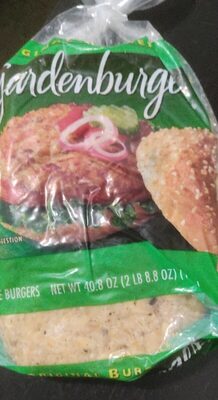
Learn more
Auto-generated content. This description was generated automatically and is pending editorial review. Inaccuracies are possible. Found a mistake? Contact us.