Hydrated Chia
What is Hydrated Chia?
Hydrated chia refers to chia seeds that have absorbed water, forming a gel-like substance. Chia seeds come from the Salvia hispanica plant, native to Mexico and Guatemala. The hydration process is typically done by soaking the seeds in water or another liquid.
Is Hydrated Chia vegan?
Hydrated Chia is not animal-derived. Products that contain it can still include other animal-derived ingredients, so check the full ingredient list.
Is Hydrated Chia gluten-free?
They do not contain gluten.
Is Hydrated Chia a major allergen?
Chia seeds are not one of the nine major allergens identified by the FDA.
What is Hydrated Chia used for?
Manufacturers use hydrated chia as a thickener and emulsifier in food products.
Is Hydrated Chia safe?
Chia seeds are generally recognized as safe (GRAS) by the FDA for use as a food ingredient.
Why it's used
Manufacturers use hydrated chia as a thickener and emulsifier in food products. Its gel-like texture can also add a unique mouthfeel. It is often found in wholesome snacks, cereals, and baked goods.
Health notes
Chia seeds are generally recognized as safe (GRAS) by the FDA for use as a food ingredient. They are a source of fiber, protein, and omega-3 fatty acids. International bodies like JECFA have evaluated chia seeds. Evidence suggests that consuming chia seeds as part of a balanced diet may contribute to digestive health due to their fiber content.
Allergen info
Chia seeds are not one of the nine major allergens identified by the FDA. They do not contain gluten.
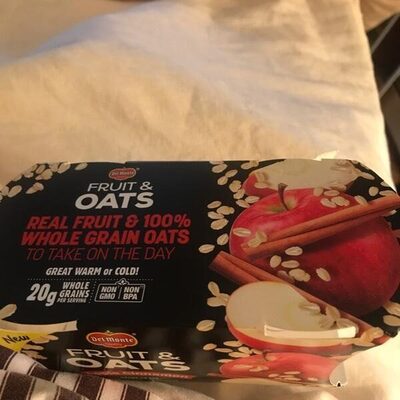
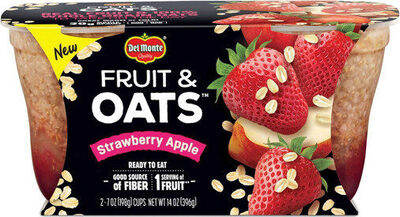
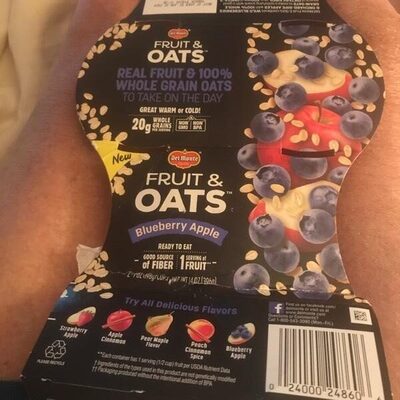
Foods that contain Hydrated Chia
Compare products →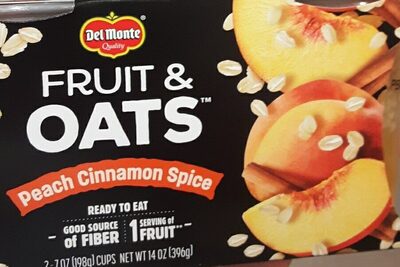
Auto-generated content. This description was generated automatically and is pending editorial review. Inaccuracies are possible. Found a mistake? Contact us.