Chia Seeds
Auto-generated content. This description was generated automatically and is pending editorial review. Inaccuracies are possible. Found a mistake? Contact us.
What it is
Chia seeds are tiny seeds from the plant Salvia hispanica, native to Mexico and Guatemala. They are harvested from the plant and typically sold whole or ground. They are a good source of fiber, protein, and omega-3 fatty acids.
Why it's used
Manufacturers add chia seeds to foods for their nutritional value and texture. They can absorb liquid and form a gel, which is useful in puddings and as an egg replacer. They are commonly found in cereals, granola bars, baked goods, and beverages.
Health notes
Chia seeds are generally recognized as safe (GRAS) by the FDA for use as a food ingredient. They are a good source of fiber, which can aid digestion and promote feelings of fullness. JECFA has evaluated chia seeds and did not set a numeric limit (ADI not specified). Research suggests that consuming chia seeds as part of a balanced diet may have benefits for heart health and blood sugar control, though more studies are needed.
Allergen info
Chia seeds are not one of the nine major allergens recognized by the FDA. They do not contain gluten.
Products containing Chia Seeds
Compare products →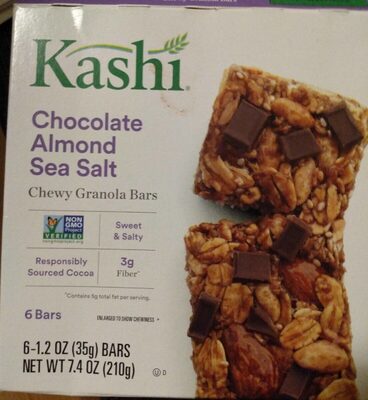 Kashi US
Kashi Chewy Bars Chocolate Almond Sea Salt 7.4Oz
—kcal
14.2Protein
12.2Fat
60.5Carbs
Kashi US
Kashi Chewy Bars Chocolate Almond Sea Salt 7.4Oz
—kcal
14.2Protein
12.2Fat
60.5Carbs
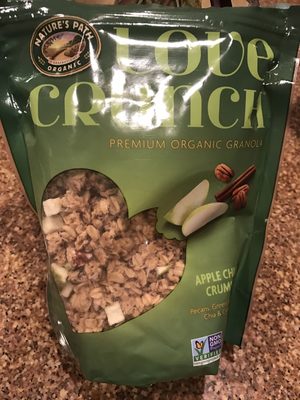 NATURE'S PATH ORGANIC
Premium Organic Granola
467kcal
10Protein
13.3Fat
73.3Carbs
NATURE'S PATH ORGANIC
Premium Organic Granola
467kcal
10Protein
13.3Fat
73.3Carbs
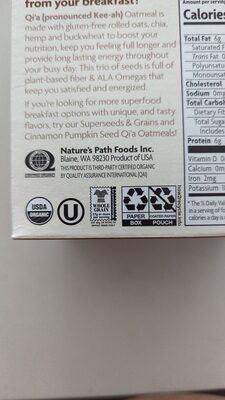 NATURE'S PATH
Organic Superfood Gluten-Free Oatmeal
High in saturated fat — 20% DV per serving
421kcal
15.8Protein
15.8Fat
60.5Carbs
NATURE'S PATH
Organic Superfood Gluten-Free Oatmeal
High in saturated fat — 20% DV per serving
421kcal
15.8Protein
15.8Fat
60.5Carbs
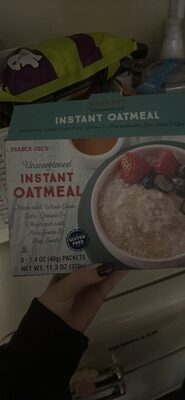 TRADER JOE'S
Unsweetened Instant Oatmeal
400kcal
12.5Protein
8.8Fat
67.5Carbs
TRADER JOE'S
Unsweetened Instant Oatmeal
400kcal
12.5Protein
8.8Fat
67.5Carbs
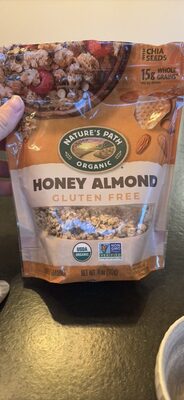 NATURE'S PATH
Crunchy Granola
467kcal
10Protein
15Fat
70Carbs
NATURE'S PATH
Instant Oatmeal
400kcal
12.5Protein
7.5Fat
70Carbs
NATURE'S PATH ORGANIC
Nature's Path Organic, Chia Puls, Crunchy Granola Bars, Apple Pie Crunch
475kcal
7.5Protein
20Fat
67.5Carbs
CHIA POD
Bircher Muesli
132kcal
3.6Protein
6.4Fat
17.3Carbs
NATURE'S PATH
Organic Qi'A Superfood
467kcal
20Protein
20Fat
46.7Carbs
FOXY
Quinoa Crunch
393kcal
10.7Protein
8.9Fat
71.4Carbs
POWERFUL YOGURT
Greek Non-Fat Yogurt Plus Hearty Grains
75kcal
9.2Protein
0.7Fat
8.8Carbs
NATURE'S PATH ORGANIC
Crunchy Granola Bars
475kcal
7.5Protein
20Fat
67.5Carbs
NATURE'S PATH
Crunchy Granola
467kcal
10Protein
15Fat
70Carbs
NATURE'S PATH
Instant Oatmeal
400kcal
12.5Protein
7.5Fat
70Carbs
NATURE'S PATH ORGANIC
Nature's Path Organic, Chia Puls, Crunchy Granola Bars, Apple Pie Crunch
475kcal
7.5Protein
20Fat
67.5Carbs
CHIA POD
Bircher Muesli
132kcal
3.6Protein
6.4Fat
17.3Carbs
NATURE'S PATH
Organic Qi'A Superfood
467kcal
20Protein
20Fat
46.7Carbs
FOXY
Quinoa Crunch
393kcal
10.7Protein
8.9Fat
71.4Carbs
POWERFUL YOGURT
Greek Non-Fat Yogurt Plus Hearty Grains
75kcal
9.2Protein
0.7Fat
8.8Carbs
NATURE'S PATH ORGANIC
Crunchy Granola Bars
475kcal
7.5Protein
20Fat
67.5Carbs