Hydrated Textured Vegetable Protein
What is Hydrated Textured Vegetable Protein?
Hydrated textured vegetable protein (TVP) is a meat substitute made from vegetable protein sources, most commonly soy flour. The defatted soy flour is cooked under pressure and then dried into granules or chunks. When rehydrated with water, it develops a chewy, meat-like texture.
Is Hydrated Textured Vegetable Protein vegan?
Hydrated Textured Vegetable Protein is not animal-derived. Products that contain it can still include other animal-derived ingredients, so check the full ingredient list.
Is Hydrated Textured Vegetable Protein gluten-free?
It does not contain gluten.
Is Hydrated Textured Vegetable Protein a major allergen?
TVP is derived from soy, which is one of the 9 FDA major allergens.
What is Hydrated Textured Vegetable Protein used for?
Manufacturers use hydrated TVP as a plant-based protein source and meat extender in various foods.
Is Hydrated Textured Vegetable Protein safe?
Hydrated TVP is generally recognized as safe (GRAS) by the FDA.
Why it's used
Manufacturers use hydrated TVP as a plant-based protein source and meat extender in various foods. Its ability to absorb flavors makes it versatile for dishes like chili, stews, tacos, and meatloaf, helping to reduce costs and fat content while maintaining a satisfying texture.
Health notes
Hydrated TVP is generally recognized as safe (GRAS) by the FDA. It is a good source of protein and fiber. International bodies like JECFA have evaluated soy proteins. While soy is a common allergen, TVP itself is not typically associated with significant health controversies when consumed in moderation as part of a balanced diet.
Allergen info
TVP is derived from soy, which is one of the 9 FDA major allergens. It does not contain gluten.
Foods that contain Hydrated Textured Vegetable Protein
Compare products →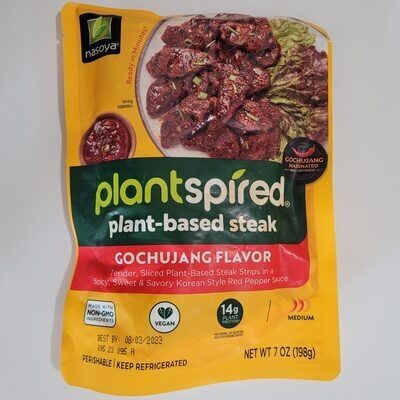 Nasoya Foods USA, LLC
Gochujang Flavor Plant-Based Steak, Gochujang
High in sodium — 36% DV per serving
High in added sugars — 22% DV per serving
235kcal
16.5Protein
8.2Fat
25.9Carbs
Nasoya Foods USA, LLC
Gochujang Flavor Plant-Based Steak, Gochujang
High in sodium — 36% DV per serving
High in added sugars — 22% DV per serving
235kcal
16.5Protein
8.2Fat
25.9Carbs
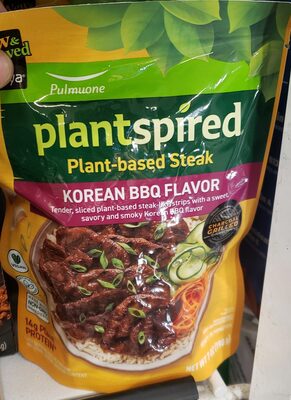 Nasoya Foods USA, LLC
Korean BBQ Flavor Plantspired Plant-Based Steak, Korean BBQ
High in sodium — 23% DV per serving
235kcal
16.5Protein
11.8Fat
15.3Carbs
Crider's, Inc.
Comfort Creek Foods, Stroganoff Style Sauce With Noodles
High in sodium — 36% DV per serving
48kcal
2.6Protein
0.2Fat
8.8Carbs
Nasoya Foods USA, LLC
Korean BBQ Flavor Plantspired Plant-Based Steak, Korean BBQ
High in sodium — 23% DV per serving
235kcal
16.5Protein
11.8Fat
15.3Carbs
Crider's, Inc.
Comfort Creek Foods, Stroganoff Style Sauce With Noodles
High in sodium — 36% DV per serving
48kcal
2.6Protein
0.2Fat
8.8Carbs
Learn more
Auto-generated content. This description was generated automatically and is pending editorial review. Inaccuracies are possible. Found a mistake? Contact us.