Hydrogenated Coconut And Palm Kernel Oil
Auto-generated content. This description was generated automatically and is pending editorial review. Inaccuracies are possible. Found a mistake? Contact us.
What it is
Hydrogenated coconut and palm kernel oil is a fat derived from coconut and palm kernel oils that has undergone a process called hydrogenation. This process adds hydrogen atoms to the oil molecules, changing their physical properties, such as making them more solid at room temperature.
Why it's used
Manufacturers add this ingredient to foods to improve texture, stability, and shelf life, and to provide a creamy mouthfeel. It is commonly found in baked goods, frozen desserts, and snack foods like puddings, custards, cakes, and pies.
Health notes
Hydrogenation can result in either partially or fully hydrogenated oils. Partially hydrogenated oils (PHOs) were the primary source of artificial trans fats, which the FDA determined were no longer "Generally Recognized As Safe" (GRAS) as of 2018, effectively removing most artificial trans fats from the US food supply. Fully hydrogenated oils, which do not contain artificial trans fats, are still permitted and used to achieve desired food textures and stability. Coconut and palm kernel oils are naturally high in saturated fat, and the Dietary Guidelines for Americans 2025-2030 recommend limiting saturated fat to less than 10% of daily calories.
Allergen info
Coconut is considered a tree nut, which is one of the nine major food allergens identified by the FDA. Palm kernel oil is not considered a major allergen.
Products containing Hydrogenated Coconut And Palm Kernel Oil
Compare products →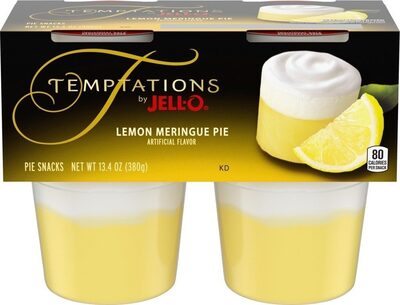 Kraft Heinz Foods Company
Lemon Meringue Pie Snacks, Lemon Meringue
84kcal
1.1Protein
1.6Fat
17.9Carbs
Kraft Heinz Foods Company
Double Chocolate Pie Snacks, Double Chocolate Pie
116kcal
3.2Protein
3.7Fat
18.9Carbs
Kraft Heinz Foods Company
French Silk Pie Snacks, French Silk Pie
126kcal
2.1Protein
4.2Fat
20Carbs
Kraft Heinz Foods Company
Key Lime Pie Flavor Pie Snacks, Key Lime Pie
84kcal
1.1Protein
1.6Fat
16.8Carbs
Daran Recording Company
7 Inch Mocha Cake, Mocha
High in saturated fat — 35% DV per serving
High in added sugars — 66% DV per serving
462kcal
2.5Protein
26.2Fat
55Carbs
PALERMOS WHOLESALE
7 Inch Chocolate Mousse Cake, Chocolate Mousse
High in saturated fat — 40% DV per serving
High in added sugars — 50% DV per serving
425kcal
2.5Protein
23.8Fat
50Carbs
PALERMOS WHOLESALE
5In Chocolate Mousse Cake, Chocolate
High in saturated fat — 40% DV per serving
High in added sugars — 58% DV per serving
488kcal
3.6Protein
27.4Fat
57.1Carbs
Kraft Heinz Foods Company
Lemon Meringue Pie Snacks, Lemon Meringue
84kcal
1.1Protein
1.6Fat
17.9Carbs
Kraft Heinz Foods Company
Double Chocolate Pie Snacks, Double Chocolate Pie
116kcal
3.2Protein
3.7Fat
18.9Carbs
Kraft Heinz Foods Company
French Silk Pie Snacks, French Silk Pie
126kcal
2.1Protein
4.2Fat
20Carbs
Kraft Heinz Foods Company
Key Lime Pie Flavor Pie Snacks, Key Lime Pie
84kcal
1.1Protein
1.6Fat
16.8Carbs
Daran Recording Company
7 Inch Mocha Cake, Mocha
High in saturated fat — 35% DV per serving
High in added sugars — 66% DV per serving
462kcal
2.5Protein
26.2Fat
55Carbs
PALERMOS WHOLESALE
7 Inch Chocolate Mousse Cake, Chocolate Mousse
High in saturated fat — 40% DV per serving
High in added sugars — 50% DV per serving
425kcal
2.5Protein
23.8Fat
50Carbs
PALERMOS WHOLESALE
5In Chocolate Mousse Cake, Chocolate
High in saturated fat — 40% DV per serving
High in added sugars — 58% DV per serving
488kcal
3.6Protein
27.4Fat
57.1Carbs