Hydrolyzed Gluten
What is Hydrolyzed Gluten?
Hydrolyzed gluten is made by breaking down gluten proteins into smaller pieces, called peptides. Gluten is a protein found in wheat, barley, and rye. This process can make gluten easier to digest and may reduce its allergenic properties.
Is Hydrolyzed Gluten vegan?
Hydrolyzed Gluten is not animal-derived. Products that contain it can still include other animal-derived ingredients, so check the full ingredient list.
Is Hydrolyzed Gluten gluten-free?
Hydrolyzed gluten is derived from wheat, which is one of the 9 FDA major allergens.
What is Hydrolyzed Gluten used for?
Manufacturers use hydrolyzed gluten to add a savory, umami flavor to foods.
Is Hydrolyzed Gluten safe?
Hydrolyzed gluten is generally recognized as safe (GRAS) by the FDA for use as a flavoring agent.
Why it's used
Manufacturers use hydrolyzed gluten to add a savory, umami flavor to foods. It can also contribute to texture and mouthfeel. It is often found in seasoning mixes, gravies, marinades, and some processed meat products.
Health notes
Hydrolyzed gluten is generally recognized as safe (GRAS) by the FDA for use as a flavoring agent. While the hydrolysis process can reduce gluten's allergenicity, it may not eliminate it entirely for individuals with celiac disease or severe wheat allergies. Regulatory bodies like JECFA and EFSA have evaluated gluten and its derivatives, but specific ADIs are not always set for flavor enhancers. Research is ongoing regarding the complete removal of allergenic potential through hydrolysis.
Allergen info
Hydrolyzed gluten is derived from wheat, which is one of the 9 FDA major allergens. Individuals with celiac disease or wheat allergies should exercise caution.
Foods that contain Hydrolyzed Gluten
Compare products →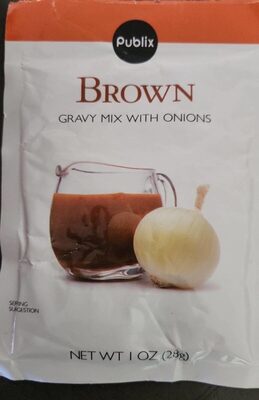
Learn more
Auto-generated content. This description was generated automatically and is pending editorial review. Inaccuracies are possible. Found a mistake? Contact us.