Hydrolyzed Protein
What is Hydrolyzed Protein?
Hydrolyzed protein is made by breaking down proteins into smaller amino acids and peptides. This is typically done using acids, enzymes, or heat. It is often derived from plant sources like soy or wheat, or from animal sources like milk or collagen.
Is Hydrolyzed Protein gluten-free?
If derived from wheat, it will contain gluten.
Is Hydrolyzed Protein a major allergen?
Hydrolyzed protein can be derived from major allergens such as wheat, soy, or milk.
What is Hydrolyzed Protein used for?
Manufacturers add hydrolyzed protein to foods to enhance their savory or umami flavor, acting as a flavor enhancer.
Is Hydrolyzed Protein safe?
Hydrolyzed protein is generally recognized as safe (GRAS) by the FDA when used as a food ingredient.
Why it's used
Manufacturers add hydrolyzed protein to foods to enhance their savory or umami flavor, acting as a flavor enhancer. It can also contribute to a richer mouthfeel. It is commonly found in soups, sauces, snacks, and processed meats.
Health notes
Hydrolyzed protein is generally recognized as safe (GRAS) by the FDA when used as a food ingredient. Regulatory bodies like JECFA and EFSA have evaluated similar protein hydrolysates. While generally considered safe, some individuals may experience sensitivities. Evidence regarding specific health effects at typical consumption levels is limited.
Allergen info
Hydrolyzed protein can be derived from major allergens such as wheat, soy, or milk. If derived from wheat, it will contain gluten. Consumers with allergies or sensitivities should check product labels carefully.
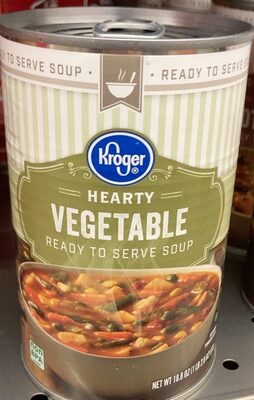
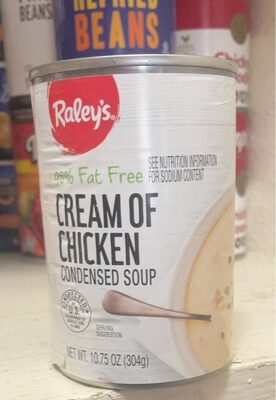
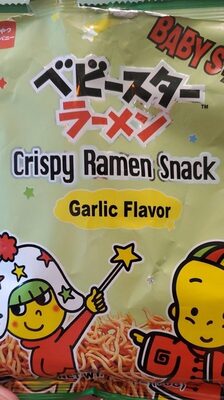
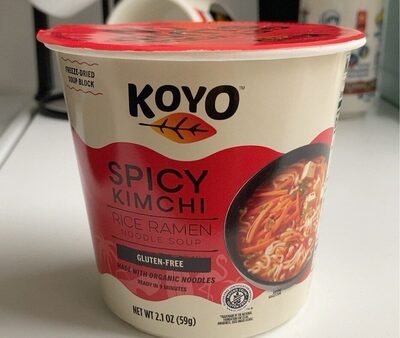
Foods that contain Hydrolyzed Protein
Compare products →
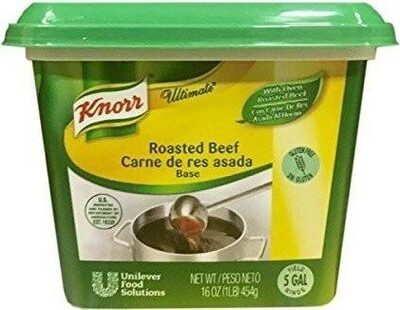
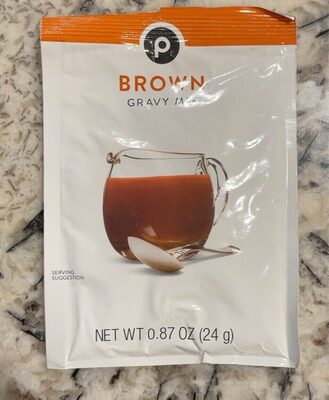
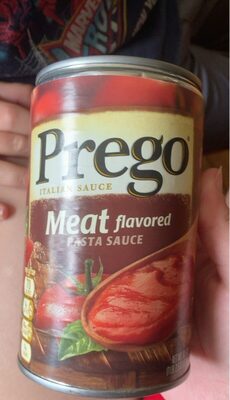
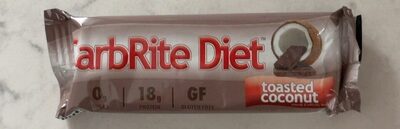
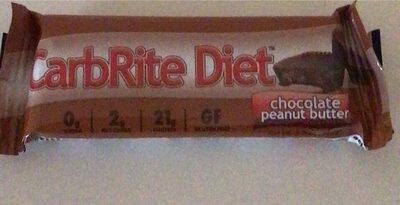
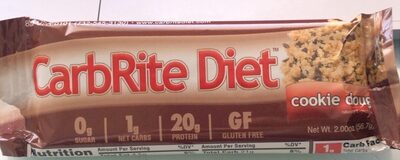
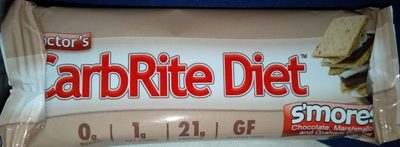
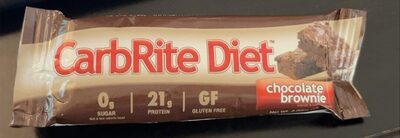 Carbrite Diet
Chocolate Brownie Flavored Bar, Chocolate Brownie
335kcal
37.0Protein
7.0Fat
37.0Carbs
Learn more
Auto-generated content. This description was generated automatically and is pending editorial review. Inaccuracies are possible. Found a mistake? Contact us.