Hydrolyzed Rice Protein
Auto-generated content. This description was generated automatically and is pending editorial review. Inaccuracies are possible. Found a mistake? Contact us.
What it is
Hydrolyzed rice protein is made by breaking down rice protein into smaller pieces called peptides. This process makes the protein easier to digest and absorb. It is often used as a plant-based protein source.
Why it's used
Manufacturers use hydrolyzed rice protein to boost the protein content of foods. It can also act as an emulsifier, helping to blend ingredients like oil and water. You can find it in protein bars, cereals, and some meat products.
Health notes
In the U.S., hydrolyzed rice protein is generally recognized as safe (GRAS) by the FDA when used as intended. It is a source of amino acids, which are the building blocks of protein. Regulatory bodies like JECFA and EFSA have evaluated similar protein hydrolysates, but specific evaluations for hydrolyzed rice protein may vary. Research on the health effects of protein hydrolysates generally focuses on their nutritional benefits.
Allergen info
Rice is not one of the nine major allergens recognized by the FDA. Hydrolyzed rice protein is gluten-free.
Products containing Hydrolyzed Rice Protein
Compare products →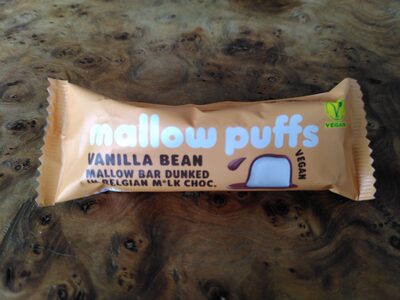 MALLOW PUFFS
Vanilla Bean Mallow Bar Dunked In Belgian M*Lk Choc., Vanilla Bean
High in saturated fat — 40% DV per serving
1716kcal
1.4Protein
14Fat
68Carbs
MALLOW PUFFS
Salted Caramel Mallow Bar Dunked In Belgian Dark Choc., Salted Caramel
High in saturated fat — 40% DV per serving
412kcal
2.7Protein
14Fat
68Carbs
Safeway, Inc.
Cocoa Flavored Corn & Oat Cereal With Marshmallows, Cocoa
375kcal
10Protein
3.8Fat
80Carbs
MALLOW PUFFS
Vanilla Bean Mallow Bar Dunked In Belgian M*Lk Choc., Vanilla Bean
High in saturated fat — 40% DV per serving
1716kcal
1.4Protein
14Fat
68Carbs
MALLOW PUFFS
Salted Caramel Mallow Bar Dunked In Belgian Dark Choc., Salted Caramel
High in saturated fat — 40% DV per serving
412kcal
2.7Protein
14Fat
68Carbs
Safeway, Inc.
Cocoa Flavored Corn & Oat Cereal With Marshmallows, Cocoa
375kcal
10Protein
3.8Fat
80Carbs
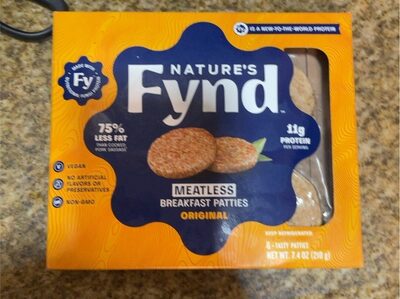 J & G Innovations Pty Ltd
Original Meatless Breakfast Patties, Original
High in sodium — 20% DV per serving
171kcal
15.7Protein
8.6Fat
11.4Carbs
T.G. Foods, Inc.
Vegan Marshmallows
High in added sugars — 42% DV per serving
333kcal
0Protein
0Fat
80Carbs
J & G Innovations Pty Ltd
Original Meatless Breakfast Patties, Original
High in sodium — 20% DV per serving
171kcal
15.7Protein
8.6Fat
11.4Carbs
T.G. Foods, Inc.
Vegan Marshmallows
High in added sugars — 42% DV per serving
333kcal
0Protein
0Fat
80Carbs
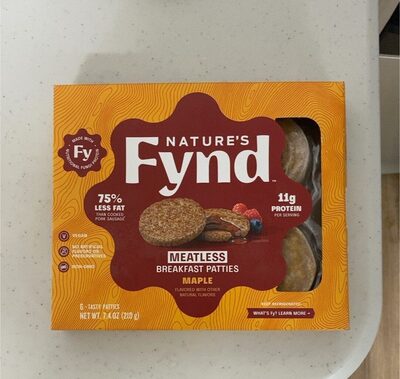 J & G Innovations Pty Ltd
Maple Flavored Meatless Breakfast Patties, Maple
186kcal
15.7Protein
8.6Fat
15.7Carbs
J & G Innovations Pty Ltd
Maple Flavored Meatless Breakfast Patties, Maple
186kcal
15.7Protein
8.6Fat
15.7Carbs
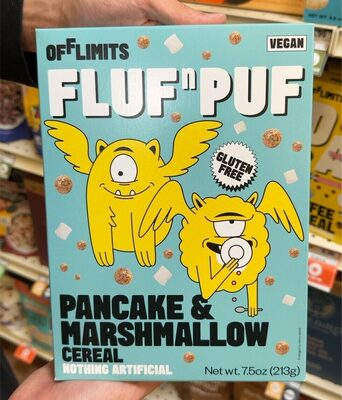 Jaabco Global, Inc.
Pancake & Marshmallow Flufn Puf Cereal, Pancake & Marshmallow
371kcal
5.7Protein
2.9Fat
82.9Carbs
Jaabco Global, Inc.
Pancake & Marshmallow Flufn Puf Cereal, Pancake & Marshmallow
371kcal
5.7Protein
2.9Fat
82.9Carbs