Hydroxylated Lecithin
Auto-generated content. This description was generated automatically and is pending editorial review. Inaccuracies are possible. Found a mistake? Contact us.
What it is
Hydroxylated lecithin is a modified form of lecithin, a naturally occurring fat-like substance found in many foods. It is typically made by treating soy or sunflower lecithin with hydrogen peroxide to change its chemical structure, making it more water-soluble.
Why it's used
Manufacturers use hydroxylated lecithin as an emulsifier, helping to blend ingredients that normally don't mix, like oil and water. It improves texture and stability in a variety of processed foods, including baked goods, confectionery, and snack mixes.
Health notes
Hydroxylated lecithin is generally recognized as safe (GRAS) by the FDA for use in food. Regulatory bodies like JECFA have evaluated lecithin and its derivatives. At typical consumption levels, it is not associated with adverse health effects. Evidence does not suggest significant health concerns for most people.
Allergen info
Hydroxylated lecithin is often derived from soy, which is one of the nine major allergens recognized by the FDA. If derived from soy, it must be declared. It is not a source of gluten.
Products containing Hydroxylated Lecithin
Compare products →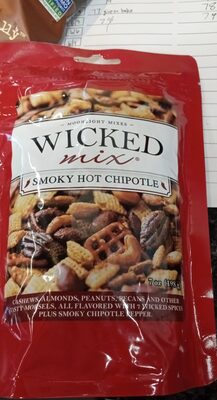 Moonlight Mixes, LLC
Spicy Hot Chipotle
536kcal
7.1Protein
28.6Fat
53.6Carbs
Mountain Man Nut & Fruit Co.
Honey Roast Snack Mix
533kcal
3.3Protein
33.3Fat
56.7Carbs
Tropical Nut & Fruit Co.
Truly Good Foods, Sweet Heat
567kcal
16.7Protein
36.7Fat
36.7Carbs
Moonlight Mixes, LLC
Spicy Hot Chipotle
536kcal
7.1Protein
28.6Fat
53.6Carbs
Mountain Man Nut & Fruit Co.
Honey Roast Snack Mix
533kcal
3.3Protein
33.3Fat
56.7Carbs
Tropical Nut & Fruit Co.
Truly Good Foods, Sweet Heat
567kcal
16.7Protein
36.7Fat
36.7Carbs
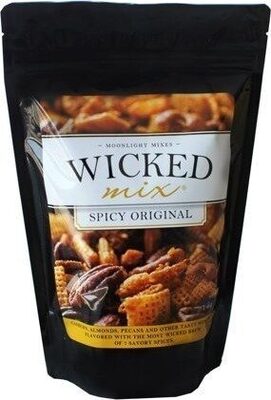 Moonlight Mixes, LLC
Moonlight Spicy Mix, Original
536kcal
7.1Protein
28.6Fat
53.6Carbs
Topco Associates, Inc.
Wheat Enriched Club Bread, Wheat
250kcal
9.4Protein
3.1Fat
50Carbs
Moonlight Mixes, LLC
Moonlight Spicy Mix, Original
536kcal
7.1Protein
28.6Fat
53.6Carbs
Topco Associates, Inc.
Wheat Enriched Club Bread, Wheat
250kcal
9.4Protein
3.1Fat
50Carbs