Imitation Liquid Butter
What is Imitation Liquid Butter?
Imitation liquid butter is a blend of oils, water, and flavorings designed to mimic the taste and texture of real butter. It is typically made using vegetable oils, such as soybean or canola oil, combined with water, salt, and artificial butter flavorings.
Is Imitation Liquid Butter a major allergen?
Not a major allergen.
What is Imitation Liquid Butter used for?
Manufacturers use imitation liquid butter as a lower-cost alternative to real butter, providing a similar buttery flavor and richness.
Is Imitation Liquid Butter safe?
Imitation liquid butter is generally recognized as safe (GRAS) by the FDA when used as intended.
Why it's used
Manufacturers use imitation liquid butter as a lower-cost alternative to real butter, providing a similar buttery flavor and richness. It is often found in baked goods, sauces, and as a topping for seafood and vegetables, offering convenience and a consistent taste.
Health notes
Imitation liquid butter is generally recognized as safe (GRAS) by the FDA when used as intended. It is primarily composed of fats and oils, and like all fats, should be consumed in moderation as part of a balanced diet. Regulatory bodies like JECFA and EFSA have evaluated various food oils and fats, but specific evaluations for 'imitation liquid butter' as a whole product are not typically found. High intake of fats, particularly saturated and trans fats if present, can be associated with negative health outcomes.
Allergen info
Not a major allergen. However, some imitation butter products may contain soy or milk derivatives, so checking the ingredient list for specific allergens is recommended.
Foods that contain Imitation Liquid Butter
Compare products →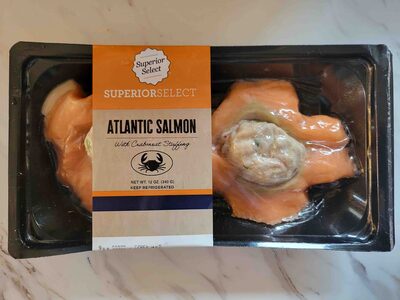
Learn more
Auto-generated content. This description was generated automatically and is pending editorial review. Inaccuracies are possible. Found a mistake? Contact us.