Imitation Lobster
Auto-generated content. This description was generated automatically and is pending editorial review. Inaccuracies are possible. Found a mistake? Contact us.
What it is
Imitation lobster is a food product designed to mimic the taste, texture, and appearance of real lobster. It is typically made from a combination of processed fish (like pollock or hake), starches, flavorings, and colorings to achieve a lobster-like quality.
Why it's used
Manufacturers use imitation lobster as a cost-effective alternative to real lobster in various seafood dishes. It is commonly found in products like seafood salads, spreads, dips, imitation crab meat, and as a filling for items such as ravioli or cakes.
Health notes
Imitation lobster is generally recognized as safe (GRAS) by the FDA when used as intended. The primary ingredients are typically fish and starches, which are common food components. International bodies like JECFA have evaluated many food additives used in imitation products, but specific evaluations for 'imitation lobster' as a whole are not typically found. Potential concerns may arise from allergens present in the fish used or from the processing methods.
Allergen info
Imitation lobster is derived from fish, which is one of the nine major allergens recognized by the FDA. It is not a source of gluten unless other gluten-containing ingredients are added.
Products containing Imitation Lobster
Compare products →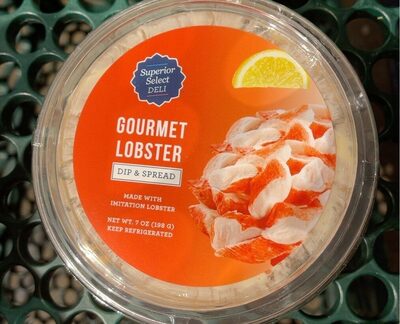 Superior Foods Company
Gourmet Lobster Spread, Gourmet Lobster
High in saturated fat — 30% DV per serving
571kcal
10.7Protein
50Fat
17.9Carbs
Safeway, Inc.
Lobster Seafood Dip, Lobster
333kcal
6.1Protein
30.3Fat
9.1Carbs
Morey's Seafood International
Lobster Spread Gourmet, Lobster
High in saturated fat — 30% DV per serving
291kcal
5.5Protein
25.4Fat
9.1Carbs
Superior Foods Company
Gourmet Lobster Spread, Gourmet Lobster
High in saturated fat — 30% DV per serving
571kcal
10.7Protein
50Fat
17.9Carbs
Safeway, Inc.
Lobster Seafood Dip, Lobster
333kcal
6.1Protein
30.3Fat
9.1Carbs
Morey's Seafood International
Lobster Spread Gourmet, Lobster
High in saturated fat — 30% DV per serving
291kcal
5.5Protein
25.4Fat
9.1Carbs
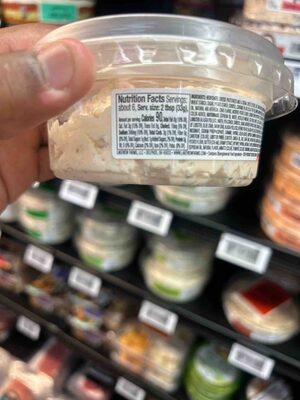 Lakeview Farms, LLC
Seafood & Lobster Dip, Seafood; Lobster
High in saturated fat — 23% DV per serving
303kcal
6.1Protein
27.3Fat
9.1Carbs
Lakeview Farms, LLC
Seafood & Lobster Dip, Seafood; Lobster
High in saturated fat — 23% DV per serving
303kcal
6.1Protein
27.3Fat
9.1Carbs
 Lakeview Farms, LLC
Buttery Flavor Seafood & Lobster Dip
High in saturated fat — 23% DV per serving
242kcal
9.1Protein
27.3Fat
6.1Carbs
Lakeview Farms, LLC
Buttery Flavor Seafood & Lobster Dip
High in saturated fat — 23% DV per serving
242kcal
9.1Protein
27.3Fat
6.1Carbs