Imported Peppers
What is Imported Peppers?
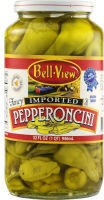
Imported peppers are typically the fruits of various Capsicum species, often grown in Mediterranean regions like Turkey or Greece. They are usually pickled in brine, vinegar, and spices to preserve them and add flavor. Common varieties include pepperoncini, banana peppers, and bell peppers.
Is Imported Peppers vegan?
Imported Peppers is not animal-derived. Products that contain it can still include other animal-derived ingredients, so check the full ingredient list.
Is Imported Peppers gluten-free?
Peppers are botanically fruits and do not contain gluten.
Is Imported Peppers a major allergen?
Not a major allergen.
What is Imported Peppers used for?
Pickled peppers are used as a condiment or ingredient to add a tangy, slightly spicy, or sweet flavor to dishes.
Is Imported Peppers safe?
Imported peppers are generally recognized as safe (GRAS) by the FDA when used as a food ingredient.
Why it's used
Pickled peppers are used as a condiment or ingredient to add a tangy, slightly spicy, or sweet flavor to dishes. They are frequently found in antipasto platters, salads, sandwiches, pizzas, and as a garnish for various meals.
Health notes
Imported peppers are generally recognized as safe (GRAS) by the FDA when used as a food ingredient. They are a source of vitamins and antioxidants. International bodies like JECFA have evaluated similar food ingredients, but specific evaluations for 'imported peppers' as a distinct category are not widely published. Evidence does not suggest adverse health effects from typical consumption.
Allergen info
Not a major allergen. Peppers are botanically fruits and do not contain gluten.
Foods that contain Imported Peppers
Compare products →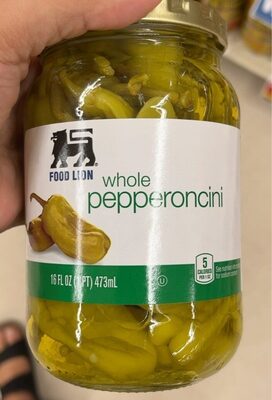
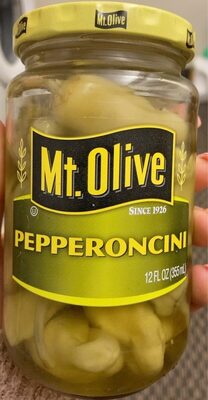
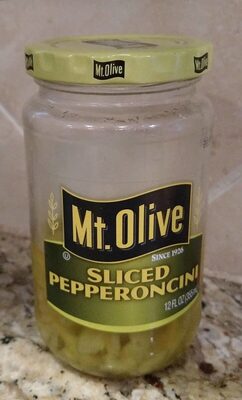
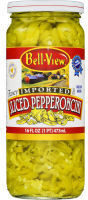
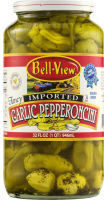
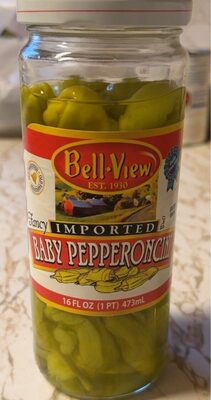
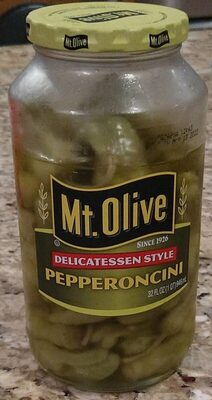
Auto-generated content. This description was generated automatically and is pending editorial review. Inaccuracies are possible. Found a mistake? Contact us.