Inactive Baker's Yeast
What is Inactive Baker's Yeast?
Inactive baker's yeast, also known as deactivated yeast, is the same yeast used for baking (Saccharomyces cerevisiae) but has been killed, usually by heat. This process stops the yeast from fermenting or rising. It is often a byproduct of brewing beer.
Is Inactive Baker's Yeast vegan?
Inactive Baker's Yeast is not animal-derived. Products that contain it can still include other animal-derived ingredients, so check the full ingredient list.
Is Inactive Baker's Yeast gluten-free?
It does not contain gluten.
Is Inactive Baker's Yeast a major allergen?
Inactive baker's yeast is not derived from any of the 9 FDA major allergens.
What is Inactive Baker's Yeast used for?
Inactive baker's yeast is used as a flavor enhancer, providing a savory, umami taste similar to cheese or meat.
Is Inactive Baker's Yeast safe?
Inactive baker's yeast is Generally Recognized As Safe (GRAS) by the FDA for use in food.
Why it's used
Inactive baker's yeast is used as a flavor enhancer, providing a savory, umami taste similar to cheese or meat. It is also used as a nutritional supplement. You can find it in savory snacks, seasonings, sauces, and vegetarian meat substitutes.
Health notes
Inactive baker's yeast is Generally Recognized As Safe (GRAS) by the FDA for use in food. It is a good source of B vitamins and protein. International bodies like JECFA and EFSA have evaluated yeast and yeast extracts, and they are considered safe for consumption.
Allergen info
Inactive baker's yeast is not derived from any of the 9 FDA major allergens. It does not contain gluten.
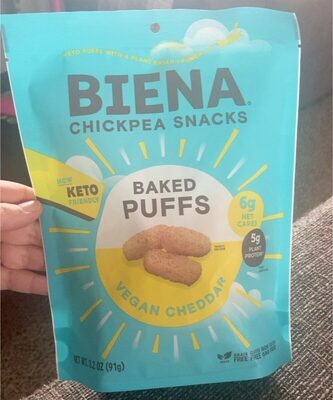
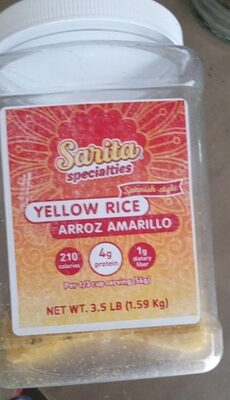
Foods that contain Inactive Baker's Yeast
Compare products →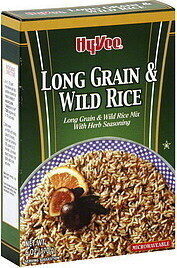
Learn more
Auto-generated content. This description was generated automatically and is pending editorial review. Inaccuracies are possible. Found a mistake? Contact us.