Including Dehydrated
This entry is a label phrase. See the main ingredient page: Dehydrated.
What is Including Dehydrated?
Dehydrated includes foods that have had most of their water removed. This is typically done through drying, which concentrates the flavor and extends shelf life. The process can be applied to fruits, vegetables, meats, and herbs.
Is Including Dehydrated gluten-free?
Gluten is not inherently present unless the original food source contains it (e.g., dehydrated wheat).
Is Including Dehydrated a major allergen?
Dehydrated ingredients are not among the 9 major allergens unless the original food source is an allergen (e.g., dehydrated soy).
What is Including Dehydrated used for?
Manufacturers use dehydrated ingredients to add concentrated flavor and texture to foods.
Is Including Dehydrated safe?
Dehydrated ingredients are generally recognized as safe (GRAS) by the FDA when used as intended.
Why it's used
Manufacturers use dehydrated ingredients to add concentrated flavor and texture to foods. They are common in salad dressings, frozen doughs, and ethnic sauces where they contribute to taste and aroma without adding excess moisture.
Health notes
Dehydrated ingredients are generally recognized as safe (GRAS) by the FDA when used as intended. The FDA has not established specific upper intake levels for dehydrated foods as a category. International bodies like JECFA have evaluated various dehydrated food components, but no specific health concerns are widely associated with their consumption at typical levels in processed foods.
Allergen info
Dehydrated ingredients are not among the 9 major allergens unless the original food source is an allergen (e.g., dehydrated soy). Gluten is not inherently present unless the original food source contains it (e.g., dehydrated wheat).
Foods that contain Including Dehydrated
Compare products →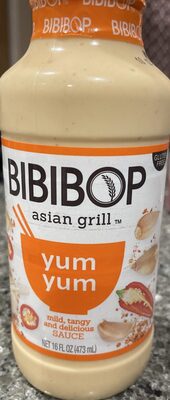
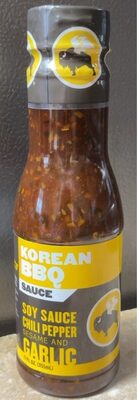
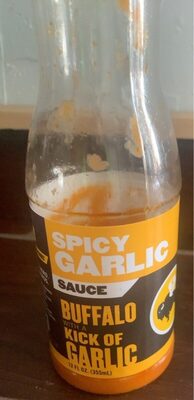
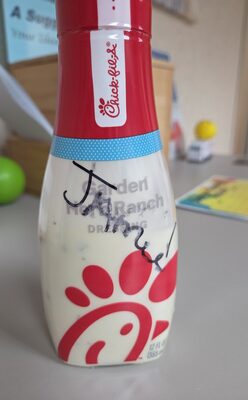
Auto-generated content. This description was generated automatically and is pending editorial review. Inaccuracies are possible. Found a mistake? Contact us.