Interesterified Palm Oil
Auto-generated content. This description was generated automatically and is pending editorial review. Inaccuracies are possible. Found a mistake? Contact us.
What it is
Interesterified palm oil is a type of vegetable oil made from palm oil. It is created by a process called interesterification, which rearranges the fatty acids on the glycerol backbone of the oil. This process changes the oil's physical properties, such as its melting point and texture, without altering its chemical composition.
Why it's used
Manufacturers use interesterified palm oil to improve the texture and stability of food products. It can act as a fat substitute, providing a similar mouthfeel to butter or shortening. It is commonly found in baked goods like cookies and biscuits, as well as in some processed meats.
Health notes
Interesterified palm oil is generally recognized as safe (GRAS) by the FDA for use in food. Regulatory bodies like the Joint FAO/WHO Expert Committee on Food Additives (JECFA) have evaluated it. Evidence suggests that interesterified fats may have a different impact on blood cholesterol levels compared to other saturated fats, but more research is needed to fully understand these effects at typical consumption levels.
Allergen info
Not a major allergen.
Products containing Interesterified Palm Oil
Compare products →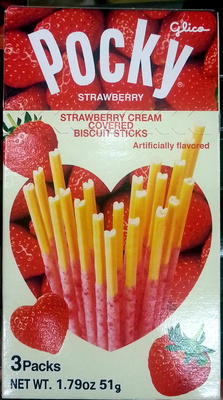 Ezaki Glico USA Corporation
Strawberry Cream Covered Biscuit Sticks, Strawberry
High in saturated fat — 20% DV per serving
510kcal
7.8Protein
23.5Fat
74.5Carbs
Ezaki Glico USA Corporation
Pocky, Chocolate Cream Covered Biscuit Sticks
493kcal
7.0Protein
21.1Fat
66.9Carbs
Lisa Produce
Beef Empanadas, Beef
High in sodium — 20% DV per serving
High in saturated fat — 25% DV per serving
239kcal
8.0Protein
8.8Fat
31.9Carbs
Ezaki Glico USA Corporation
Strawberry Cream Covered Biscuit Sticks, Strawberry
High in saturated fat — 20% DV per serving
510kcal
7.8Protein
23.5Fat
74.5Carbs
Ezaki Glico USA Corporation
Pocky, Chocolate Cream Covered Biscuit Sticks
493kcal
7.0Protein
21.1Fat
66.9Carbs
Lisa Produce
Beef Empanadas, Beef
High in sodium — 20% DV per serving
High in saturated fat — 25% DV per serving
239kcal
8.0Protein
8.8Fat
31.9Carbs
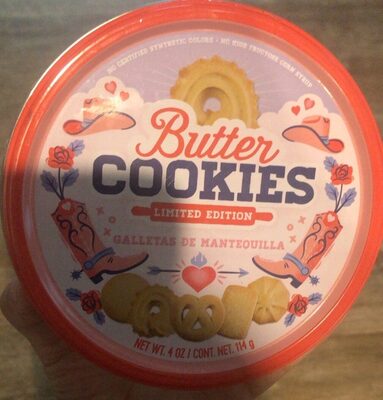 H E Butt Grocery Company
Butter Cookies, Butter
467kcal
6.7Protein
23.3Fat
56.7Carbs
H E Butt Grocery Company
Butter Cookies, Butter
467kcal
6.7Protein
23.3Fat
56.7Carbs
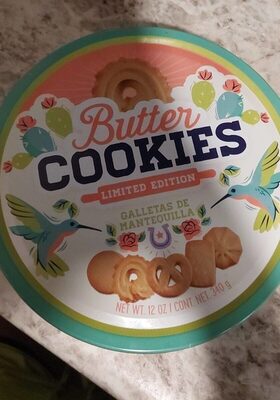 H E Butt Grocery Company
Butter Cookies, Butter
467kcal
6.7Protein
23.3Fat
56.7Carbs
H E Butt Grocery Company
Butter Cookies, Butter
467kcal
6.7Protein
23.3Fat
56.7Carbs