Interesterified Vegetable Oil
Auto-generated content. This description was generated automatically and is pending editorial review. Inaccuracies are possible. Found a mistake? Contact us.
What it is
Interesterified vegetable oil is a type of fat made from vegetable oils. It is created through a process called interesterification, which rearranges the fatty acids on the glycerol backbone of the oil molecules. This process alters the oil's physical properties, such as its melting point and texture, without changing its chemical composition.
Why it's used
Manufacturers use interesterified vegetable oil to improve the texture and stability of foods. It can act as a fat replacer, provide a creamy mouthfeel, and prevent oil separation in products like baked goods, shortenings, and confectionery. It is often found in cookies, biscuits, and snack items.
Health notes
Interesterified vegetable oils are generally recognized as safe (GRAS) by the FDA for use in food. Regulatory bodies like JECFA and EFSA have evaluated similar fats and oils. Research on the health effects of interesterified fats compared to other fats is ongoing, with some studies suggesting potential differences in how they affect cholesterol levels, but evidence is mixed and requires further investigation.
Allergen info
Interesterified vegetable oil is not a major allergen. Depending on the source vegetable oil, it may be derived from soy or corn, which are not among the top 9 major allergens. It does not contain gluten.
Products containing Interesterified Vegetable Oil
Compare products →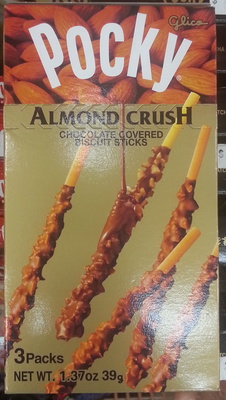 Ezaki Glico USA Corporation
Pocky Chocolate Covered Biscuit Sticks, Almond Crush
541kcal
10.8Protein
32.4Fat
54.0Carbs
Ezaki Glico USA Corporation
Glico, Pejoy, Chocolate Biscuit Sticks, Cookies & Cream, Creamy Vanilla, Creamy Vanilla
High in saturated fat — 45% DV per serving
482kcal
7.1Protein
19.6Fat
69.6Carbs
Ezaki Glico USA Corporation
Pocky Chocolate Covered Biscuit Sticks, Almond Crush
541kcal
10.8Protein
32.4Fat
54.0Carbs
Ezaki Glico USA Corporation
Glico, Pejoy, Chocolate Biscuit Sticks, Cookies & Cream, Creamy Vanilla, Creamy Vanilla
High in saturated fat — 45% DV per serving
482kcal
7.1Protein
19.6Fat
69.6Carbs
 Ezaki Glico USA Corporation
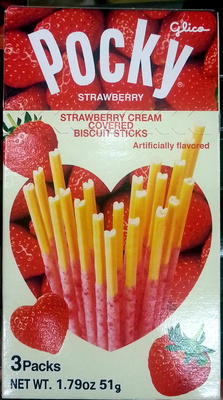
Strawberry Cream Covered Biscuit Sticks, Strawberry
High in saturated fat — 20% DV per serving
510kcal
7.8Protein
23.5Fat
74.5Carbs
Ezaki Glico USA Corporation
Strawberry Cream Covered Biscuit Sticks, Strawberry
High in saturated fat — 20% DV per serving
510kcal
7.8Protein
23.5Fat
74.5Carbs
 Ezaki Glico USA Corporation
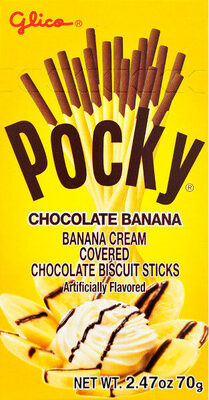
Banana Cream Covered Chocolate Biscuit Srticks, Chocolate Banana
High in saturated fat — 55% DV per serving
486kcal
7.1Protein
20Fat
70Carbs
Ezaki Glico USA Corporation
Banana Cream Covered Chocolate Biscuit Srticks, Chocolate Banana
High in saturated fat — 55% DV per serving
486kcal
7.1Protein
20Fat
70Carbs
 Ezaki Glico USA Corporation
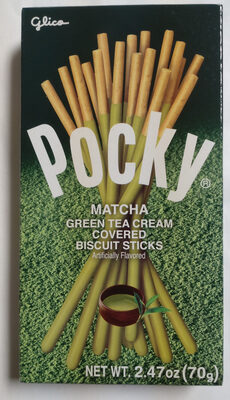
Biscuits Sticks
High in saturated fat — 60% DV per serving
486kcal
7.1Protein
20Fat
68.6Carbs
Ezaki Glico USA Corporation
Biscuits Sticks
High in saturated fat — 60% DV per serving
486kcal
7.1Protein
20Fat
68.6Carbs
 Ezaki Glico USA Corporation
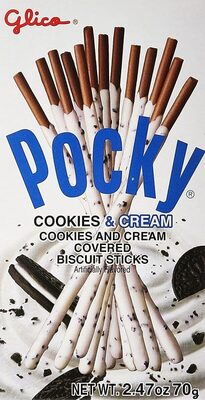
Glico, Pocky, Cookies & Cream Covered Biscuit Sticks
High in saturated fat — 60% DV per serving
514kcal
7.1Protein
22.9Fat
68.6Carbs
Ezaki Glico USA Corporation
Glico, Pocky, Cookies & Cream Covered Biscuit Sticks
High in saturated fat — 60% DV per serving
514kcal
7.1Protein
22.9Fat
68.6Carbs