Italian Dry Salami: Pork
What is Italian Dry Salami: Pork?
Pork is the meat of a domestic pig. It is one of the most commonly consumed meats worldwide. Pork can be cured, smoked, or cooked fresh.
Is Italian Dry Salami: Pork vegan?
No. Italian Dry Salami: Pork is animal-derived, so it is not vegan.
Is Italian Dry Salami: Pork gluten-free?
It does not contain gluten.
Is Italian Dry Salami: Pork a major allergen?
Pork is not one of the nine major allergens recognized by the FDA.
What is Italian Dry Salami: Pork used for?
Pork is used in a wide variety of processed foods, including sausages, bacon, ham, and deli meats like salami.
Is Italian Dry Salami: Pork safe?
Pork is a source of protein, iron, and other nutrients.
Why it's used
Pork is used in a wide variety of processed foods, including sausages, bacon, ham, and deli meats like salami. It provides flavor, texture, and protein. It is a key ingredient in many savory dishes.
Health notes
Pork is a source of protein, iron, and other nutrients. The U.S. Dietary Guidelines for Americans recommend choosing lean cuts of pork. The World Health Organization (WHO) has classified processed meats, including salami, as carcinogenic to humans. This classification is based on limited evidence in humans and suggests a link between processed meat consumption and colorectal cancer.
Allergen info
Pork is not one of the nine major allergens recognized by the FDA. It does not contain gluten.
Foods that contain Italian Dry Salami: Pork
Compare products →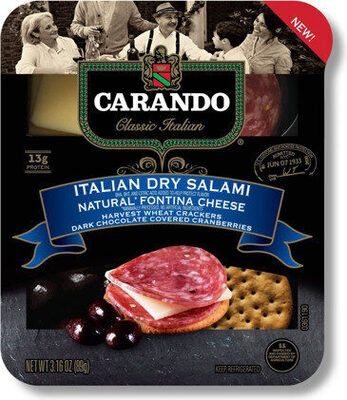
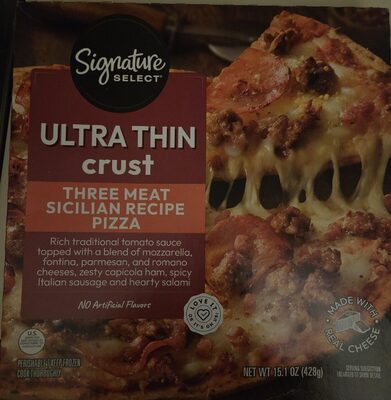
Learn more
Auto-generated content. This description was generated automatically and is pending editorial review. Inaccuracies are possible. Found a mistake? Contact us.