Jaggery
What is Jaggery?
Jaggery is an unrefined, whole sugar made from sugarcane or palm sap. It is produced by boiling the sap until it solidifies into a block or powder. Unlike refined white sugar, jaggery retains more natural molasses and minerals.
Is Jaggery vegan?
Jaggery is not animal-derived. Products that contain it can still include other animal-derived ingredients, so check the full ingredient list.
Is Jaggery gluten-free?
It does not contain gluten.
Is Jaggery a major allergen?
Jaggery is not derived from any of the nine FDA major allergens.
What is Jaggery used for?
Manufacturers use jaggery primarily as a natural sweetener in a variety of foods.
Is Jaggery safe?
Jaggery is generally recognized as safe (GRAS) by the FDA for use as a sweetener.
Why it's used
Manufacturers use jaggery primarily as a natural sweetener in a variety of foods. Its distinct flavor and color also contribute to the taste and appearance of products. It is commonly found in Indian sweets, baked goods, chutneys, and some savory dishes.
Health notes
Jaggery is generally recognized as safe (GRAS) by the FDA for use as a sweetener. It contains trace amounts of minerals like iron and magnesium, which are removed during the refining of white sugar. However, it is still a sugar and should be consumed in moderation as part of a balanced diet. Jaggery has not been specifically evaluated by EFSA or JECFA with a numeric ADI.
Allergen info
Jaggery is not derived from any of the nine FDA major allergens. It does not contain gluten.
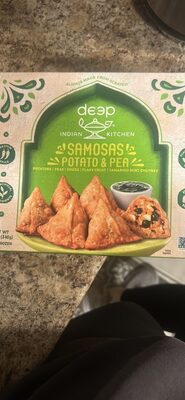
Foods that contain Jaggery
Compare products →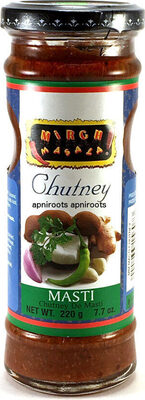

Learn more
Auto-generated content. This description was generated automatically and is pending editorial review. Inaccuracies are possible. Found a mistake? Contact us.