Japanese Pepper
What is Japanese Pepper?
Japanese pepper, also known as sansho, is a spice derived from the dried seed coats of the prickly ash family of plants native to Japan. It has a unique citrusy and slightly numbing flavor profile, distinct from Sichuan pepper. The spice is typically ground into a powder for culinary use.
Is Japanese Pepper vegan?
Japanese Pepper is not animal-derived. Products that contain it can still include other animal-derived ingredients, so check the full ingredient list.
Is Japanese Pepper gluten-free?
It does not contain gluten.
Is Japanese Pepper a major allergen?
Japanese pepper is not derived from any of the 9 FDA major allergens.
What is Japanese Pepper used for?
Japanese pepper is primarily used as a spice to add a distinctive flavor to a variety of dishes.
Is Japanese Pepper safe?
Japanese pepper is generally recognized as safe (GRAS) by the FDA for use as a food flavoring.
Why it's used
Japanese pepper is primarily used as a spice to add a distinctive flavor to a variety of dishes. It is commonly sprinkled on grilled meats, fish, tofu, and vegetables, and is a key ingredient in many Japanese dishes like unagi (eel) and yakitori. It is also used in some snacks and confectionery.
Health notes
Japanese pepper is generally recognized as safe (GRAS) by the FDA for use as a food flavoring. There is limited research on the specific health effects of consuming Japanese pepper at typical dietary levels. International bodies like JECFA have evaluated it, but did not set a numeric limit (ADI not specified). Some traditional medicinal uses exist, but scientific evidence for these is often limited.
Allergen info
Japanese pepper is not derived from any of the 9 FDA major allergens. It does not contain gluten.
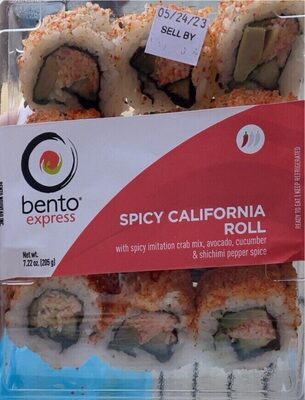
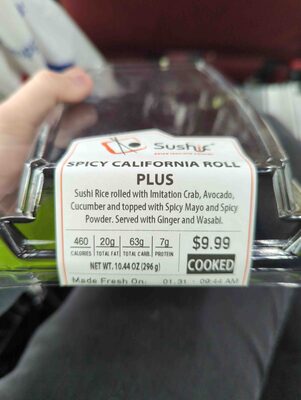
Foods that contain Japanese Pepper
Compare products →
Learn more
Auto-generated content. This description was generated automatically and is pending editorial review. Inaccuracies are possible. Found a mistake? Contact us.